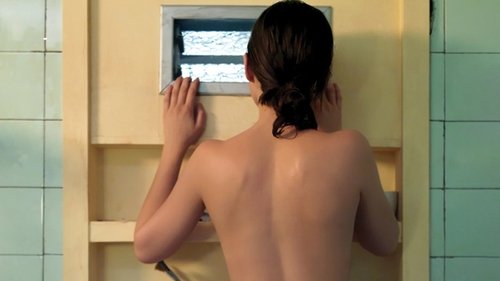




Madrid, 1987 isn’t exactly a film that aligns with modern sensibilities regarding harassment, which is reason enough to watch it, though certainly not the sole justification. Miguel (José Sacristán), an older columnist, attempts to manipulate a young college student named Ángela (María Valverde) into a sexual encounter. There's nothing romantic about this scenario, and writer/director David Trueba makes no effort to portray it as such. Ángela aspires to be a writer and has written an essay about Miguel, which he’s agreed to read; however, his interest quickly shifts from her writing to something else entirely—he soon abandons any pretense of caring about her work or even his own. In a twist on Borges' “many things I have read and few I have lived,” Miguel tells Ángela that previously, he would immediately write about significant events in his life; now, he’d gladly stop writing altogether if something were to happen to him. Following this sentiment, Miguel persuades Ángela to accompany him to the studio of his painter friend Luis—who is conveniently absent “in the mountains”—ostensibly so that he can "get to know her better" (a phrase with biblical connotations). Miguel’s attempts at seduction, if they can be called that, are far from alluring; he consistently misses the mark. He asks her to disrobe and she performs a lackluster striptease; he traces lines on her skin with paint in what's intended as a sensual gesture, but she simply showers to remove them; he joins her in the shower and she leaves—and so on. Despite the fact that the two leads ultimately spend much of the film naked, Madrid, 1987 is surprisingly and intentionally devoid of eroticism. They accidentally find themselves locked in the bathroom (Luis having neglected to warn Miguel about the faulty lock)—this isn't another one of Miguel’s clumsy maneuvers, although he interprets it as a sign that he should intensify his efforts to get Ángela to grant him sexual favors, even if out of sympathy. Miguel is largely insincere—eventually confessing that everything he has told Ángela was simply code for 'let's have sex'—but despite his elaborate language, he does offer occasional insights; for example: “in cinema and in literature I like to see people working” (a sentiment reminiscent of Roger Ebert’s observation that "actual work is more interesting than most plots"). We only get a brief glimpse of Miguel's own writing, but he comes across as one of the most authentic fictional writers/journalists I’ve encountered in film. The director himself was a first-year journalism student during the year depicted, and the character feels like someone the young Trueba might have known back then (hopefully under very different circumstances).
On September 25, 2026
#11203▼ 5490
11203rd by Pulse movie online33.2PULSEPulse MeterOur daily Pulse Meter measures public activity and popularity signals across the web.How it works →