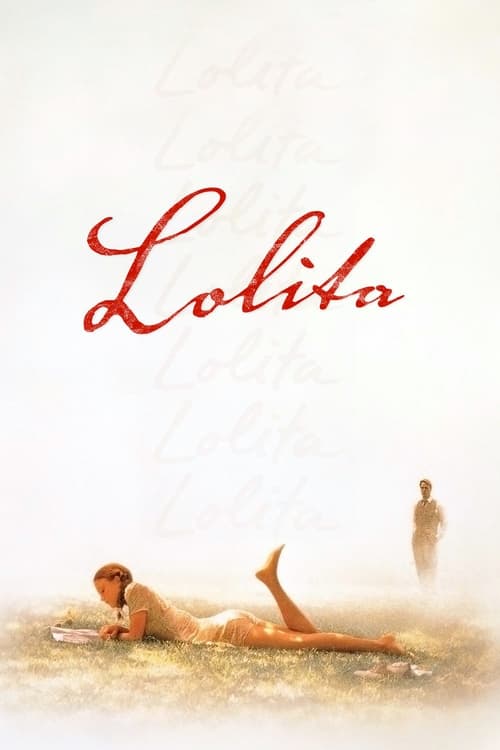





Adrian Lyne’s 1997 adaptation of Vladimir Nabokov’s controversial novel, Lolita, is a disturbing and thought-provoking film. Even though the movie runs over two hours, the pacing felt completely appropriate. The initial portion didn't feel slow at all, and the shift into the second half was smooth, keeping me interested throughout. Each scene seemed essential, with nothing added simply to extend the length of the story. The script proved to be very well crafted and remained faithful to Nabokov’s original book. It managed to capture the intricacies of Humbert's character as well as the troubling nature of his relationship with Lolita. Jeremy Irons’ narration as Humbert contributed depth to the narrative, offering a personal look into his warped viewpoint while consistently reminding the audience of the uncomfortable reality behind his justifications. The cinematography was exceptional, working in sync with Humbert’s narration. The film's focus on Lolita’s legs and feet proved to be a subtle but impactful visual choice, directly mirroring how Nabokov’s Humbert describes her in the novel. He frequently noticed her bare feet, her sandals, and her movements, highlighting her youth and innocence while simultaneously turning those details into objects of his obsession. The camera conveyed this fixation without needing explicit explanations, drawing me into Humbert's distorted mindset. The soundtrack was beautifully done, complementing the film’s emotional changes. It reflected Humbert’s feelings, ranging from infatuation and longing to jealousy and guilt. The music never overpowered the scenes but added a layer of emotional complexity that made the movie even more immersive. Adrian Lyne’s direction created an intentional sense of discomfort. The lingering on certain scenes and objects, such as Humbert's stairs, wasn't arbitrary. These moments were intended to make me feel trapped in the same unease as Humbert’s world. It forced a consideration of the moral weight of the story and the darkness behind his actions. While these choices echo Humbert’s fixation and Nabokov’s descriptions, they could be perceived as exploitative within a visual medium like film. This stylistic decision makes the audience part of Humbert's point of view, which is likely the intention, but it might push some viewers away or distract from the film’s criticism of his behavior. Adrian Lyne’s Lolita is a visually impressive and narratively intricate movie, though it isn't perfect. It’s undeniably ambitious, tackling one of the most challenging stories in literature, and it does so with technical skill. However, the film's dependence on Humbert’s perspective and its sensual style bring up questions about how effectively it critiques his character and the story’s darker themes.
On September 28, 2026
#245▲ 46
245th by Pulse movie online59.1PULSEPulse MeterOur daily Pulse Meter measures public activity and popularity signals across the web.How it works →