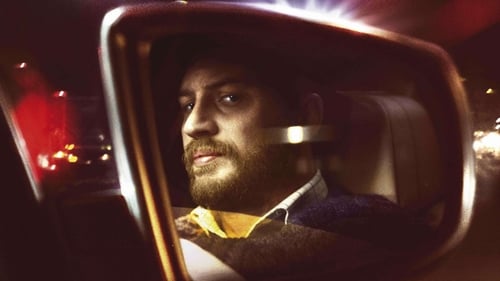




The film portrays Locke's precarious descent into isolation as he journeys by car. Concrete, known for its strength and resilience—a key element in brutalist architecture due to its ability to withstand impact and fire—can crumble with just one critical flaw. Similarly, the central character, a construction foreman, faces ruin because of a single mistake that undermines everything he’s built. As Locke drives from Birmingham to London in his car littered with tissues, he must confront accidental actions that have led to a spiraling mental state. A brief affair with Colman leads to an unforeseen consequence: the birth of a child, resulting in Locke's abrupt departure for the hospital and subsequent job loss. The construction company now faces millions in additional expenses for a project yet unfinished. He’s forced to confront his family, displaying honesty amidst desperate circumstances. The hour-and-a-half drive progresses at the mercy of traffic conditions, punctuated by thirty-six phone calls—a life dissolving within the confines of his vehicle. He once possessed stability, family, and shelter, only for them to be threatened by messages received in the luxury of his car. Knight demonstrates the power of simplicity; there are no flashy visuals or jarring editing techniques, nor is there any action. Instead, tension and drama arise from a screenplay that pushes boundaries through filming primarily in real-time, allowing dialogue to take center stage. We observe an individual grappling with life’s pressures—both professional and personal—and examining his own morality as he strives to avoid the mistakes of his father. However, his wife's response challenges any possibility of forgiveness; “The difference between never and once is the difference between good and bad,” a message that elevates this car journey into something exceptional. Knight’s deliberate creation of a claustrophobic atmosphere reinforces Locke’s sense of being trapped as his world closes in on him, limiting his breathing space and intensifying his anxiety with each incoming call. This effect would have been diminished without Hardy's compelling performance. Far from a disaster, he maintains the focus on himself, with the camera frequently lingering on his bloodshot eyes or weary face. His desperation and reactive responses vividly illustrate loneliness in a deeply empathetic way. Despite his infidelity, Locke isn’t presented as an unsympathetic character. He attempts to identify “the next practical step” while considering the feelings of those involved. This relatability silences any distractions and creates a powerful dramatic experience. However, there are some imperfections along the road. The scenes where Locke speaks to himself, seemingly addressing his father, felt somewhat heavy-handed in their attempt to show his opposition to his parent’s past actions. It lacks subtlety and contrasts sharply with the tense phone conversations. This feels like an effort to depict abandonment that could have been conveyed more simply through a phone call. While not filmed entirely in one continuous shot, editor Wright inserts scenes of traffic and bright road lights to break up the narrative flow—but these occur too often, creating occasional pacing issues. The maternity nurse’s repetitive comment about the baby being “afraid” also felt unnecessary while Locke was clearly on his way. Despite these minor flaws, *Locke* is a compelling journey with dramatic weight and cinematic experimentation. It's an ironic situation—a construction worker watching his own life crumble in minutes—examining an individual’s moral compass through stressful situations, ultimately illustrating the importance of solidarity. Hardy confidently guides the plot to its conclusion, respecting even “speed limits.”
On September 24, 2026
#4330▼ 162
4330th by Pulse movie online47.4PULSEPulse MeterOur daily Pulse Meter measures public activity and popularity signals across the web.How it works →