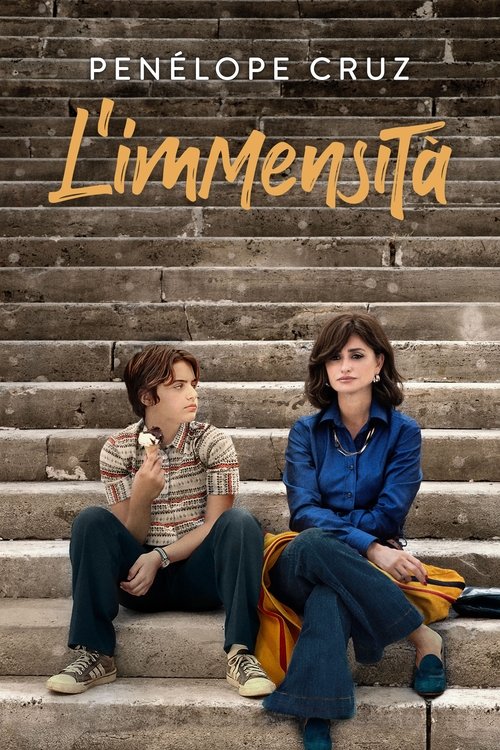





Penélope Cruz seems to be developing an appearance reminiscent of Sophia Loren, and the resemblance was noticeable throughout the film. Similarly, young Luana Giuliani, who plays "Adri," bears a slight likeness to Cruz; she portrays “Clara,” Adri’s mother. The story unfolds in Rome during the 1970s—a period defined by floral prints, bell-bottom pants, and post-war construction—and focuses on a young girl yearning to be a boy. It isn't an overt exploration of sexuality; it’s more subtle than that. While "Adri/Andrew"'s underlying discontent provides the film with some structure, there’s also a depiction of the relationship between husband and wife, a wider family dynamic, and a fleeting romantic connection between “Adri” and her new friend, “Sara,” played by Penélope Nieto Conti. That final relationship, in particular, highlights the somewhat fragmented nature of the storytelling. We are shown glimpses into their lives, but these moments don’t always feel connected to the central theme. The narrative feels like a series of episodes without sufficient connective tissue. The marriage is deteriorating; however, the reasons for this remain largely unclear. Vincenzo Amato's portrayal of "Felice," the father and husband, often feels underdeveloped—we gain little insight into his motivations, nor do we truly understand what troubles the kind and attentive “Clara.” Their son, "Gino" (Patrizio Francioni), has a peculiar habit of leaving messes on the carpet. It's really only young "Diana" (María Chiara Goretti) who brings any sense of stability to this family. Moments of humor offer respite from the often-heavy writing, and there are musical sequences that demonstrate Cruz’s and Giuliani’s talent and skill. It is a film worth seeing; it has style and class, but ultimately I found it too disjointed and lacking in depth.
On October 4, 2026
#16071
16071st by Pulse movie online2.8PULSEPulse MeterOur daily Pulse Meter measures public activity and popularity signals across the web.How it works →