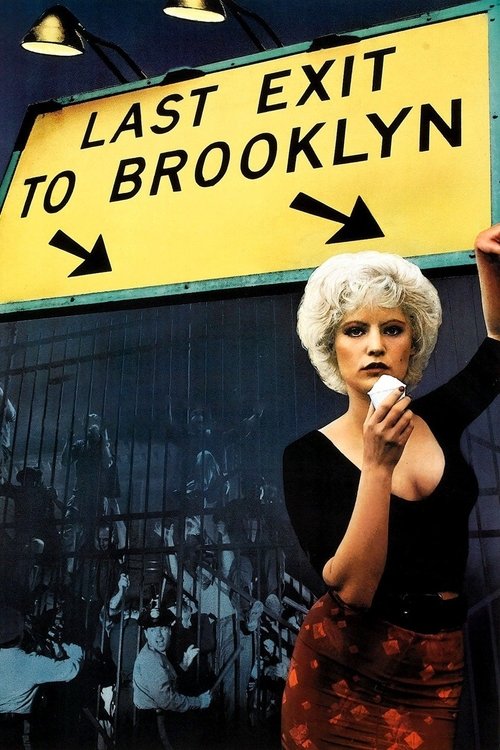





The film presents a collection of narratives against a backdrop of considerable industrial unrest, highlighting some of the varied experiences present, though not always flourishing, within 1950s New York City. The central point of contention is a local factory where dockworkers initiate a strike, spurred on by figures like “Harry” (Stephen Lang) and the scheming “Boyce” (Jerry Orbach). Simultaneously, “Tralala” (Jennifer Jason Leigh), in a strikingly different way, engages in an unsettling trade with military personnel until she develops feelings for one of her clients and glimpses a possible path out of what seems like an endless loop of despair. As community tensions escalate, it’s revealed that the married “Harry” also has attractions to men, and issues surrounding communism and children born outside of marriage are adding fuel to the anger simmering within this increasingly fragmented town. The narrative progresses adequately, and I thought both Leigh and Lang delivered strong performances, but ultimately there's simply too much packed into a hundred minutes, and some of the more interesting side stories—such as that of “Big Joe” (Burt Young)—are pushed aside or not developed enough to meaningfully contribute to Uli Eden’s chosen storyline. Nevertheless, the two main characters are confronted with the harsh realities and hypocrisies of the era in a way that feels genuine, raw, and often violently uncomfortable to witness. This is where much of the film's strength lies—its powerful portrayal of mob mentality and prejudice masked as democratic ideals and liberty. However, considering the breadth of subjects explored in the more intense original book, I found it somewhat underwhelming.
On September 30, 2026
#17227▲ 2439
17227th by Pulse movie online2.8PULSEPulse MeterOur daily Pulse Meter measures public activity and popularity signals across the web.How it works →














