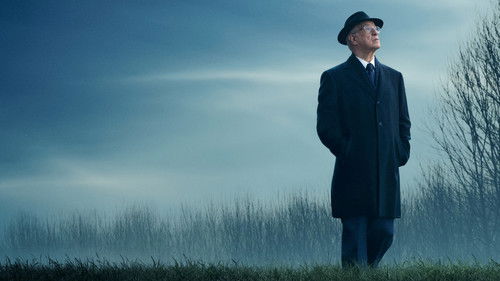





Paolo Sorrentino’s La Grazia feels like a film born from profound experience, echoing Rilke’s idea that true artistry arises not just from immediate feelings, but from memories deeply integrated into one's being—memories that shape an artist's very essence. It’s a work that seems to require a lifetime of understanding, the kind that reveals how our most difficult choices aren’t about the specific issue at hand, but rather about the burdens we carry and the things we stubbornly refuse to relinquish, those elements that have solidified into our identities. Toni Servillo delivers an exceptional performance as a president nearing the end of his term, bearing the weight of the nation's problems. With only six months left in office, he’s presented with a bill that would be transformative for a country deeply rooted in Roman Catholicism: legalizing euthanasia. It becomes clear early on that this is not someone who easily abandons their principles. He struggles to part with his beloved horse, and he remains haunted by an infidelity from his deceased wife, still feeling the sting of it decades later. He’s also tasked with signing two pardons. These elements are interconnected, all variations on a central, challenging question: when do we release ourselves from sources of pain, and what is the price of that liberation? Servillo portrays this aging leader with remarkable restraint, making each gesture significant and every silence laden with years of compromise and deeply held beliefs. We witness his internal struggle with the euthanasia bill not as a detached political matter, but as a personal confrontation with compassion, suffering, and the presumption of dictating what constitutes an acceptable life for others. He understands firsthand what it means to cling too tightly; his horse exemplifies that. He knows how resentment can poison memories; his wife’s betrayal serves as proof. Now, the government asks him to decide whether others should have the right to determine their own endings. The cinematography by Daria D'Antonio and Sorrentino creates a visually rich atmosphere that complements the story perfectly. The film is bathed in golden light and long shadows—a visual representation of a man nearing the end of his time, contemplating profound matters. Each shot feels deliberate and mournful, acknowledging that time is fleeting and decisions left unmade will soon become irreversible. This represents Sorrentino at his most restrained and impactful, less concerned with his characteristic elaborate style than with the quiet devastation of a man facing the boundaries of his own certainty. La Grazia explores whether grace comes from extending it to others or finally granting it to ourselves when we cease holding onto old wounds, past loves, and outdated convictions that no longer benefit us. La Grazia signifies grace; but also forgiveness, compassion, elegance, and blessing. It stands as Sorrentino's finest work.
On September 23, 2026
#8438▲ 221
8438th by Pulse movie online39.8PULSEPulse MeterOur daily Pulse Meter measures public activity and popularity signals across the web.How it works →