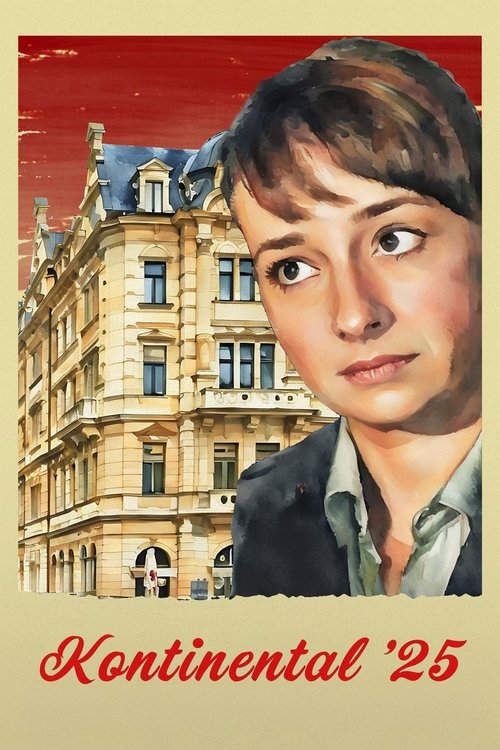




It seems inevitable that wherever you look around the globe these days, there will be persistent disagreements of various kinds that are difficult to resolve. The reasons behind them differ—ranging from unfair economic situations to ethnic bias, social inequality, political arguments and religious conflicts—and they often appear together. These conditions usually bring about a range of reactions; some involve violence and spiteful insults, others lead to feelings of sadness and hopelessness, while still others are motivated by compassion that frequently struggles to make an impact. But is this constant conflict a desirable way to live? And should the anxiety it generates be accepted? Those questions are explored in writer-director Radu Jude’s latest film, which offers a peculiar but thoughtful look at life in Cluj, Romania, the country's second largest city and a location within the well-known province of Transylvania. This historically contested area is where the ethnic Hungarian and Romanian populations overlap, leading to past clashes that have left many residents feeling trapped as they attempt to understand how their lives unfold—a situation many can probably connect with regardless of where they reside. The story unfolds through the experiences of Orsolya (Eszter Tompa), a former law professor who now works as a court bailiff, responsible for delivering legal orders like eviction notices to people living in older buildings that developers are quickly buying up to construct new housing and luxury hotels such as the Kontinental. Orsolya genuinely tries to be helpful and understanding toward those struggling, but when she can no longer legally show leniency, she is required to enforce the law—as happens with Ion (Gabriel Spahiu), an elderly former athlete who has become a victim of alcoholism, gambling addiction, and homelessness. Following Ion’s suicide, Orsolya feels intense guilt; she believes she bears some responsibility for his death, even though she was only following legal procedure. This leads her on a journey of self-reflection, searching for forgiveness and purpose, which involves conversations with various people, including a friend (Oana Mardare), an Orthodox priest (Serban Pavlu), a former student (Adonia Tanta) and her cantankerous, prejudiced mother (Annámaria Biluska). The narrative can occasionally feel repetitive as she repeatedly shares the story of Ion’s death, but the diverse perspectives that emerge during these discussions provide unique insights into her situation and life in contemporary Romania, often with dark, straightforward, and “earthy” humor. While "Kontinental" is perhaps Jude's most traditional film, it still incorporates his signature quirky humor—unconventional cinematic segments that make you wonder where he gets his ideas. Not everything works perfectly, but there are several moments of genuine inspiration that keep viewers engaged, reminiscent of scenes from some of the director’s earlier absurdist films like “Bad Luck Banging or Loony Porn” (2021) and “Do Not Expect Too Much From the End of the World” (2023). Jude's films are certainly not for everyone, but they are rarely boring, and this time he also provides plenty to contemplate.
On October 4, 2026
#36247
36247th by Pulse movie online2.0PULSEPulse MeterOur daily Pulse Meter measures public activity and popularity signals across the web.How it works →