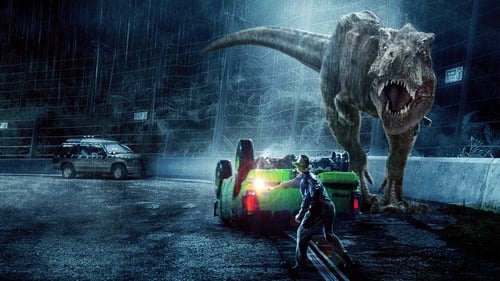





Jurassic Park, released in 1993, stands out as an unusual achievement—a movie that successfully combines narrative, visual impact, and emotional depth. Steven Spielberg's direction marks a significant point in cinematic history, and it’s genuinely difficult to identify any shortcomings. From the very beginning, a feeling of suspense and amazement draws you into what becomes a captivating journey that maintains its grip throughout. The rhythm is expertly managed, alternating between moments of astonishment and intense excitement. Each sequence appears carefully planned, demonstrating Spielberg's skill in ensuring even quieter instances have significance. The acting is superb; all the performers contribute a sense of authenticity and humanity to their characters. It’s easy to become invested in the story because you genuinely feel these are believable people responding to something unbelievable. The visual effects—a combination of practical creations and early computer-generated imagery—still impress, which speaks volumes about the attention to detail put into the film's creation. John Williams’ memorable musical score is worthy of individual recognition. It enhances every scene, whether it evokes a sense of wonder, anticipation, or quiet contemplation; it’s music that lingers in your thoughts after viewing. What allows Jurassic Park to endure is its ability to spark the imagination. It’s more than just about excitement or innovative effects—it also explores ideas that prompt reflection on humanity's place within the natural world and the repercussions of exceeding limits. The cinematography and set design, among other elements, create a fully absorbing experience, placing you in a setting that is both stunning and frightening. It’s easy to understand why this film continues to be praised; it represents one of the most accomplished examples of filmmaking.
On September 25, 2026
#1061▼ 760
1061st by Pulse movie online51.8PULSEPulse MeterOur daily Pulse Meter measures public activity and popularity signals across the web.How it works →