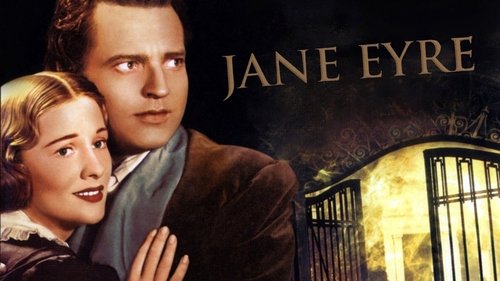




Do you find yourself consistently drawn to stories about characters who are isolated and without friends? Robert Stevenson directed Jane Eyre, sharing screenplay adaptation duties with John Houseman, Aldous Huxley, and Henry Koster. The film is based on Charlotte Brontë’s novel of the same name and features Orson Welles, Joan Fontaine, and Peggy Ann Garner in leading roles. Bernard Herrmann composed the music, and George Barnes served as cinematographer. Following a difficult childhood, Jane Eyre secures employment at Thornfield Hall as governess to Edward Rochester's young ward. Their backgrounds and perspectives are vastly different, making them opposites, but they form a connection that seems destined to be challenged by the mysteries surrounding Rochester and his estate—can it possibly endure? Stevenson’s version of Jane Eyre has been examined repeatedly over time, with the central question always revolving around Orson Welles' level of involvement in its creation. Considering Welles’ work from the 1940s, it’s clear he left a significant mark on the film; Fontaine herself mentioned seeing him frequently behind the camera. While this shouldn't diminish Stevenson's own accomplishments as a director, this adaptation stands out because of Welles’ presence both in front of and behind the lens. One minor issue with the movie is that Welles’ portrayal of Rochester overshadows Fontaine’s performance as Eyre, which is surprising given he doesn't appear until 34 minutes into the film. Another limitation is its length—just over ninety-five minutes—meaning it couldn’t be a comprehensive adaptation of the novel. Nevertheless, what resulted is an impressive production, full of intense atmosphere and powerful emotions. Some have suggested that Fontaine and Welles’ contrasting acting styles are distracting, but I disagree; seeing one of cinema's most expressive voices paired with one of its most beautiful faces is remarkable—it's a classic in black and white. The casting actually feels inspired when you consider the characters as they were written. The production design perfectly reflects their emotional states. The film’s visual style anticipates what would become known as film noir, thanks to George Barnes’ striking black-and-white photography, which complements the matte paintings and Gothic sets. It's still astonishing that this was entirely filmed on Stage 2 at 20th Century Fox. Numerous images remain vivid in memory. From the shadows accompanying young Jane during her punishment at Lowood Institution—placed there by the tyrannical Henry Brocklehurst (played with menace by Henry Daniell)—to each dramatically lit scene of Rochester within and around his imposing home, the film is rich in visual moodiness. Herrmann's score is also perfectly suited to the material. Orchestral passages express Jane’s yearning, while ominous rhythms underscore Rochester’s arrogance. Among the supporting cast, Peggy Ann Garner delivers a particularly memorable performance, bringing a poignant sadness to her portrayal of young Jane. Her early scenes with an uncredited Elizabeth Taylor (beautiful and vocally correct) are a lesson in child acting. The rest of the ensemble also includes admirable performances from Margaret O'Brien, John Sutton, Sara Allgood, and Agnes Moorehead. While this might not be the definitive adaptation of Jane Eyre, and the altered ending does detract slightly—enough to lower its score by one point—it remains a remarkable piece of classic cinema. 9/10
On September 24, 2026
#12476▲ 229
12476th by Pulse movie online33.2PULSEPulse MeterOur daily Pulse Meter measures public activity and popularity signals across the web.How it works →