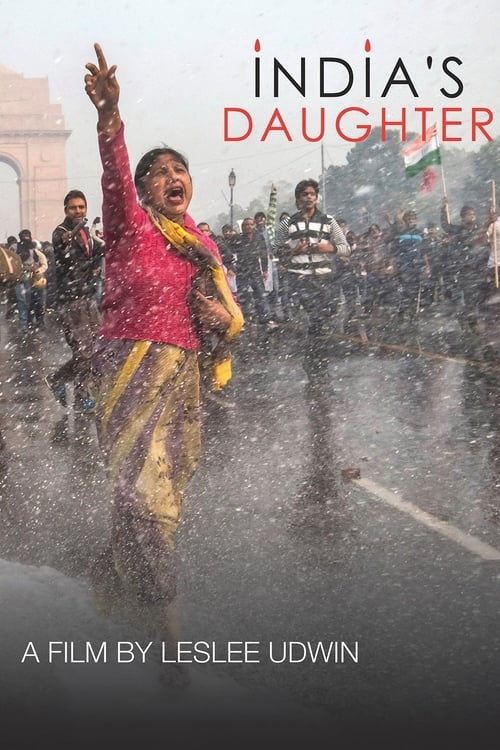




The prohibition of martial arts in India during British rule, intended to suppress potential opposition, effectively eliminated them from the country’s systems. Similarly, earlier Mughal invasions submerged a significant portion of India's culture under Islam, particularly in the north, which contributed to restricting women primarily to domestic roles. I was deeply disturbed by statements made by one of the convicts featured in this documentary; he blamed his victim and all women for what happened, claiming that "A girl is far more responsible for rape than a boy... A decent girl won't be out at 9 o’clock at night... Housework and housekeeping are for girls, not going to discos and bars at night and wearing inappropriate clothing." My immediate reaction was that he deserved to be killed on the spot when those words came from his mouth. While I thought the defense lawyer was simply doing their job, what they said afterward was even more appalling than the convict’s comments—so offensive that I won't repeat them here. It’s baffling how someone can presume the right to dictate “what to do” and "what not to do" for others, and intrude into private matters. In India, people frequently meddle in each other's affairs; issues like public urination are often ignored, but there's intense scrutiny of personal choices driven by jealousy. I suspect that if you were born in India, your first priority upon turning eighteen would be to obtain a visa, passport, and leave the country. This is easily the most upsetting documentary I’ve seen recently, perhaps since 'The Act of Killing.' It isn't due to the filmmaking itself, but rather the disturbing content it reveals. Some question its complete accuracy, but regardless of the percentage of truth involved, it exposes a genuine incident. The interviews with experts in the film were underwhelming—even the police officer’s statement was weak—and the narrative is entirely from the convict's perspective, lacking balance except for the victim’s parents. It appears the documentary was made under difficult circumstances and failed to include more people connected to the case, particularly the victim's companion from that night. The Indian government also needs to acknowledge these facts rather than focusing on how they might damage the country’s image. When the Indian home minister suggested the filmmaker was exploiting the event for profit, I didn’t see any of the romantic elements associated with Shah Rukh Khan, the action sequences of Akshay Kumar, or the dancing of Hrithik Roshan. Viewers should be aware that this BBC film isn't flawless. The director lacked experience in documentary filmmaking; a professional would have been preferable. More resources were clearly needed to improve the production. Something was missing—well, almost—because it only presented a small part of a larger story, leaving the rest unexamined due to the controversy surrounding it. As the male victim said, only he and the victim know what truly happened that night. ‘‘16th December 2012, New Delhi’’ Ancient Hindu traditions recognized ‘sex’ as an essential aspect of human life—more valuable than gold or diamonds which can lose their worth, unlike the union of men and women. That's why rules governing desire were established, resulting in the 'Kama Sutra.' Islam discourages open discussion of such topics. Visiting ancient Indian temples reveals damaged sculptures depicting sexual imagery. In a land that produced the Kama Sutra, everything seems distorted now as art and culture are passed down through generations due to religious conflicts. Consequently, India is in a worse state than it was a thousand years ago. Diversity isn’t something to be proud of; it's simply confusing for those who feel marginalized. The only solution lies in education, which poses a significant challenge for lower-class Indians living lives that are barely worth enduring ('Slumdog Millionaire' provides an example), and science must take precedence over everything else. Controlling the population is the first thing the Indian government needs to address urgently, as their neighbor China has done. I say this because if the Indian justice system avoids severe punishments, they must tackle the problem at its root cause.
On September 28, 2026
#123224▲ 2706
123224th by Pulse movie online1.9PULSEPulse MeterOur daily Pulse Meter measures public activity and popularity signals across the web.How it works →