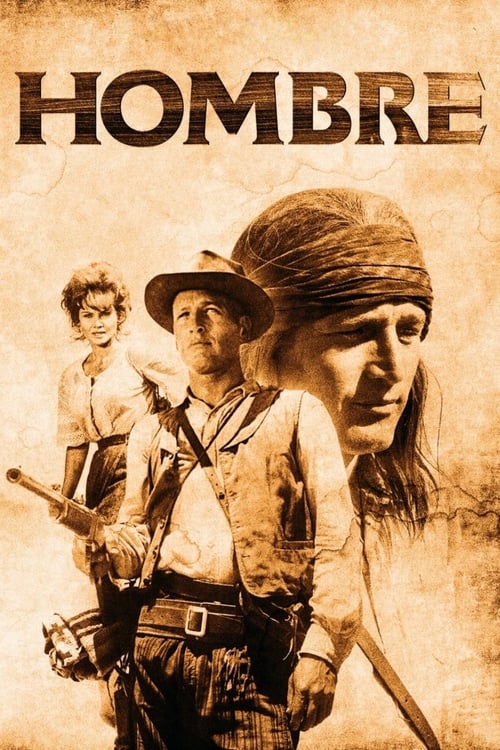





The film explores the inevitability of death, posing the question of when it will arrive. Martin Ritt directed Hombre, with a screenplay by Irving Ravetch and Harriet Frank Jr., based on an Elmore Leonard novel. The cast includes Paul Newman as John Russell, a man raised by Apache people, alongside Richard Boone, Fredric March, Diane Cilento, Cameron Mitchell, and Barbara Rush. David Rose composed the music, and James Wong Howe was the cinematographer. The story follows Russell’s journey after collecting his inheritance while traveling on a stagecoach; he faces rejection from his fellow white passengers until circumstances force them to rely on his skills for survival. “If it's all right with you lady, I just didn't feel like bleeding for him.” A notable aspect of 1960s Westerns was the willingness of filmmakers to portray Native Americans with greater honesty. While there were commendable examples in the 1950s, the 1960s brought a grittier tone, deeper characterizations, and narratives driven by darker themes. Hombre stands out as an intelligent and often bleak story that examines issues like racism, tolerance, corruption, selfishness, hypocrisy, and vengeance. The film avoids simplistic portrayals; Russell is not presented as a flawless hero but possesses significant flaws and a consistently cynical outlook. Although the movie has progressive leanings, it's also complex and ultimately presents a morality tale where few characters are truly likable—it’s a raw and uncompromising work. “You wagged your tail in the mans face and got his attention.” The dialogue is sparse but effective, making each conversation feel significant. The script contains sharp wit and ironic exchanges, reflecting the strained relationships among the travelers. Ravetch and Frank's writing maintains a deliberately somber atmosphere, while Ritt’s unhurried pacing allows for careful consideration of the events unfolding. Filmed in Panavision on location in the Coronado National Forest and the Helvetia Mines (a genuine ghost town), the film possesses a natural beauty that contrasts with the story's tone. James Wong Howe’s cinematography features striking imagery and memorable deep-focus shots highlighting John Russell’s pivotal moments. The collaboration between Howe, Ritt, and Newman—who had previously worked together on Hud, earning Ritt and Newman Academy Award nominations (for Best Director and Actor respectively), and Howe an award for Best Cinematography (Black & White)—is evident in Hombre, demonstrating how to effectively combine key elements of a Western. Newman delivers a superb performance, conveying icy coldness through his piercing blue eyes and bringing a simmering bitterness to the role. Richard Boone provides a well-matched counterpoint as a restrained but uncouth bully. Balsam is notable for portraying a Mexican character without eliciting discomfort, while March excels in a dual portrayal of duplicity. Cilento leaves a lasting impression as Jessie, a strong-willed woman who has endured hardship and maintains her resolve with a sharp tongue. Rush, however, feels miscast; she never quite embodies the Western setting and appears awkward on horseback. While a capable actress, she doesn’t fit this genre. Despite that minor criticism of Rush's performance, Hombre is an excellent Western. It isn’t for those seeking constant action and gunfights but appeals to viewers who appreciate thoughtful and atmospheric storytelling in their Western experiences. The reviewer awards it 9/10.
On September 26, 2026
#19424
19424th by Pulse movie online19.9PULSEPulse MeterOur daily Pulse Meter measures public activity and popularity signals across the web.How it works →