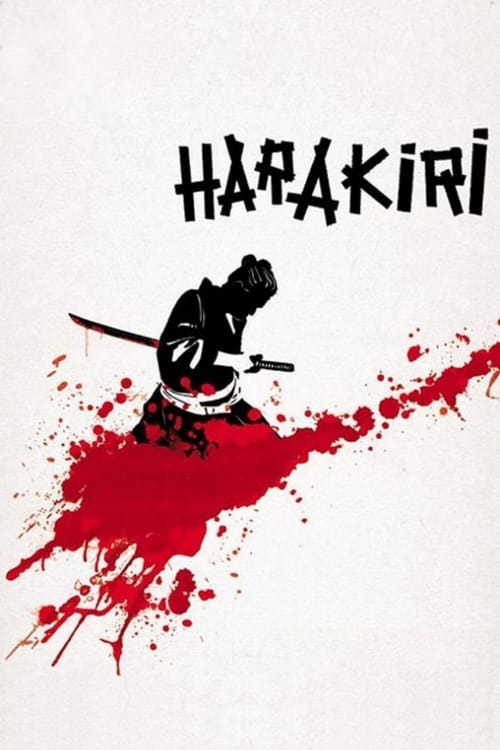





This is a film that might be unsettling for viewers today, but deserves the opportunity we should give it. Japan possesses both a thriving movie industry and a deep history that Westerners often undervalue—a somewhat ethnocentric perspective more typical of those with limited viewpoints. For quite some time, Japan was fractured by various feudal lords who fought amongst themselves over power and regional influence. It was within this setting that the first contact between the Japanese and Portuguese occurred; these were the initial Europeans to demonstrably set foot on the islands—though Marco Polo wrote about the Japanese, he likely never visited—bringing with them the first firearms, Christianity, and a significant cultural impact: even now, hundreds of words in the Japanese language are directly derived from Portuguese. The film that prompted this discussion explores one of Japan’s most intriguing traditional figures: the samurai, essentially comparable to European knights. They were educated individuals who made their living through warfare as paid mercenaries. In a nation where each feudal lord wages war independently with their own troops against their neighbors, it wasn't difficult to earn a living that way. It would be challenging to live in peace! The samurai adhered to a code of conduct known as Bushido, which guided their lives and emphasized honor. Honor was prioritized over life, so there were instances where they were expected to know how to die and willingly do so, even through ritual suicide. The film opens with a samurai, unemployed due to an extended period of peace, approaching an older man and requesting permission to die. In reply, he is told a story from earlier times, in which another samurai facing the same situation requested money and ultimately was forced to commit suicide using a wooden weapon. The movie then reveals a key detail: this initial samurai is the father-in-law of the man who took his own life, and he sought payment to support his ailing wife and son. In reality, that warrior isn't there simply to die, but to avenge the son-in-law wronged by human hypocrisy. The film is rather complex, and its distinctiveness from Western cinema—particularly its black-and-white presentation—could easily intimidate contemporary audiences. However, it’s worthwhile to resist the urge to dismiss it and instead give the movie a chance. It's exceptionally well-made, featuring a compelling story that isn't inferior to major Hollywood productions. The script uses the situation to expose the harshness of the code imposed on samurai—a moral standard so excessively demanding that it became inhumane. Unlike some films, even those from Western countries, this film provides sound historical context for the story it conveys, making it relatively easy to understand what's at stake. I’m not qualified to discuss the director or actors; I don’t know their names, but Tatsuya Nakadai, Yoshiro Aoki and Akira Ishihama are among the cast. From a technical standpoint, it is difficult to ignore the quality of the sets and filming locations, as well as the sharpness and excellence of the cinematography.
On September 27, 2026
#2759▲ 6583
2759th by Pulse movie online48.3PULSEPulse MeterOur daily Pulse Meter measures public activity and popularity signals across the web.How it works →