




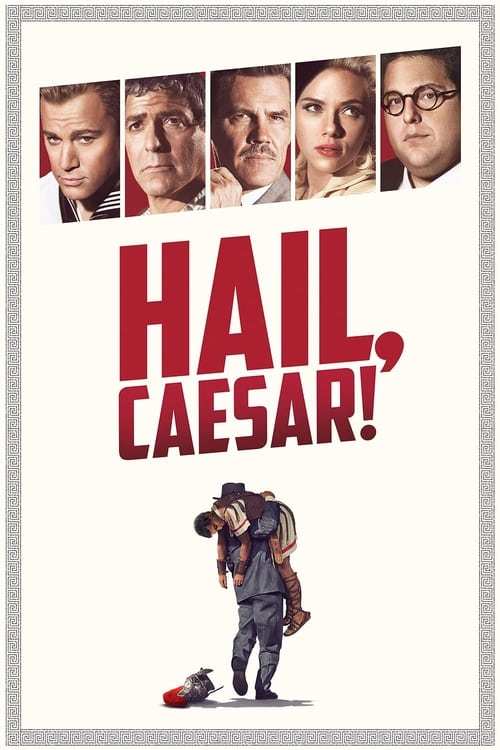
Around midway through the film, there's a sequence featuring Hobie Doyle (played by Alden Ehrenreich), a Western movie star, who is cast in a more sophisticated melodrama directed by Laurence Laurentz (Ralph Fiennes). Doyle seems completely out of place, awkwardly wearing a new suit—a studio decision intended to broaden his appeal, much to Laurentz’s annoyance. Soon after, the two men engage in an exchange, with Laurentz attempting to get Doyle to say “Would that it ‘twere so simple,” and Doyle struggling to satisfy him. The interaction ends with both of them visibly frustrated. Later on, viewers see the final version, a much simpler line: “It’s…complicated.” That word—complicated—perfectly describes what's at play in this situation. Laurentz’s growing frustration with the obvious casting error and Doyle’s confusion might contribute to the comedic moments, but it suggests something deeper. It touches on how Hollywood functions, where directors are treated like technicians and actors are mere props, all managed for a specific purpose. The film explores the collision of classic Hollywood entertainment traditions with the rise of films carrying messages and artistic pretension. It also examines the conflict between creative freedom and commercialism, suggesting that compromise—and perhaps even communism—is the only possible solution. This is just one example of the screwball humor found in the Coen Brothers’ latest comedy, Hail, Caesar! There's also a kidnapped Roman soldier, Baird Whitlock (George Clooney at his most dim-witted and entertaining), a handsome sailor (Channing Tatum) and a beautiful mermaid (Scarlett Johansson). These are all opportunities—which the Coens enthusiastically embrace—to both showcase the power of cinema and poke fun at its self-importance. Each scene is allowed to develop fully, like Channing Tatum’s homoerotic musical number or Scarlett Johansson’s mesmerizing underwater performance. It's not just a tribute to films from the Golden Era; it’s also an explanation of how film became such a captivating medium. The Coen Brothers clearly understand what makes each element appealing, using acting, staging and costumes to move Hail, Caesar! forward. The idea is straightforward—use filmmaking techniques to advance a theme and narrative—but by prioritizing these extended sequences over traditional pacing or dialogue, the Coens allow those fundamental concepts to fully develop. Josh Brolin’s character, Eddie Mannix, the studio fixer, ties everything together. He has quite a few problems to deal with: a pregnant starlet, an unhappy director, communist influences, and threats from the future—the usual concerns. The schedule is packed, and the film follows suit with a similarly hectic pace. A multitude of symbols, innuendos and subversions are presented to the audience: Capital Studios contrasted with Das Kapital, Mannix being offered a position at Lockheed where they promote a more secure industry – weapon manufacturing, or Whitlock looking directly at the viewers as he addresses God. It risks becoming overly extravagant, but there's so much wit and heart that it’s difficult to dismiss any of the ideas presented—regardless of how detailed they are. Hail, Caesar! doesn’t offer a completely new perspective on the increasingly crowded genre of films about Hollywood, but it strikes a perfect balance between cynical commentary and affectionate homage. Despite all the antics, the Coen Brothers convincingly argue that everything in film matters, while also making a case for the emptiness and meaninglessness of anything created within Hollywood's boundaries. Is this a pessimistic acceptance of our attempts to understand and contextualize cinema or an enthusiastic display of Hollywood’s inherent power where life mirrors art? As Doyle might try to explain, “Would that it ‘twere so simple.”
After Leaving the A-Rank Party, I Aim for the Deep Part of the Labyrinth With My Former Students (2016)
2016 • 1h 46m • Drama, Comedy • PG-13
On September 22, 2026
#2410▲ 9
2410th by Pulse movie online51.2PULSEPulse MeterOur daily Pulse Meter measures public activity and popularity signals across the web.How it works →