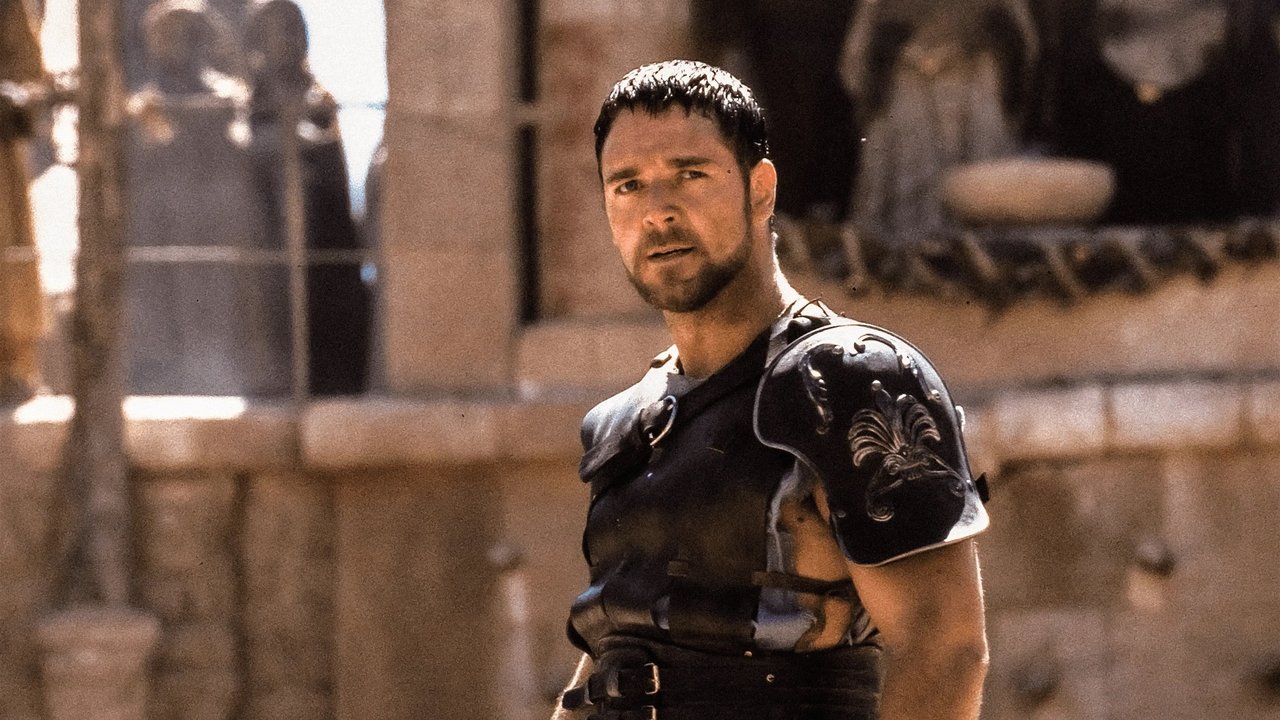





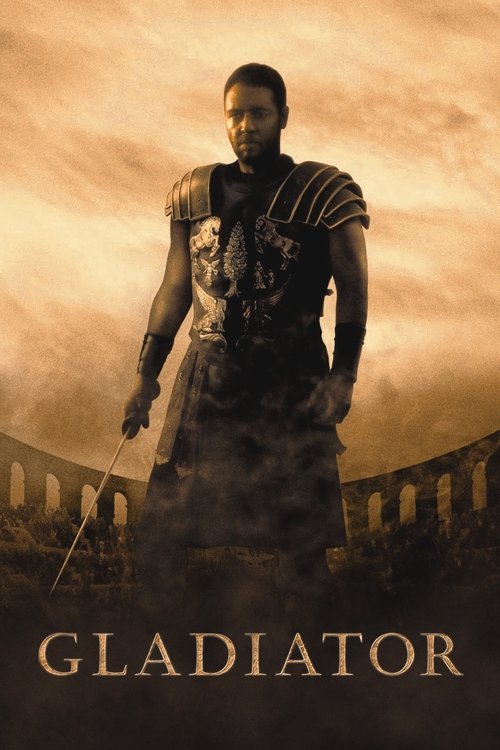
The film draws inspiration from classics like "Spartacus," "Decline and Fall of the Roman Empire," and "Quo Vadis," resulting in a truly impressive cinematic experience. Ridley Scott has delivered a spectacular movie, with Russell Crowe embodying the central figure, “Maximus.” He’s portrayed as the commander of the Rhine Armies serving Emperor Marcus Aurelius (Richard Harris), who intends him to be his successor. However, things take an unexpected turn when the emperor's son, "Commodus" (Joaquin Phoenix), and his sister, "Lucilla" (Connie Nielsen), enter the scene, abruptly changing the power dynamic. After being deceived and presumed dead, Maximus must adapt to a new reality—one governed by slave owner “Proximo” (Oliver Reed)—and seek retribution against those who wronged him. The visuals are striking, and the ensemble cast, including notable contributions from Sir Derek Jacobi, John Shrapnel, Djimon Hounsou, and Tomas Arana, all enhance the film’s epic scope. The story explores political intrigue, betrayal, and deceit alongside themes of honor and loyalty as Maximus unites those around him into a force greater than individuals simply trying to survive. Though Reed and Harris have limited screen time, they enrich their roles, which are ultimately overshadowed by Crowe's and Phoenix's powerful performances—a compelling depiction of the conflict between good and evil and the pursuit of ultimate authority within an empire where human life is treated with shocking disregard. Combined with exceptional visual effects and a stirring musical score composed by Hans Zimmer and Lisa Gerrard, this film offers a captivating experience best enjoyed on a large screen, suggesting that echoes of Cecil B. De Mille’s filmmaking style still resonate in Hollywood.
On September 20, 2026
#324▼ 21
324th by attention movie online56.0Attention ScoreAttention ScoreOur daily Attention Score measures public activity and popularity signals across the web.How it works →