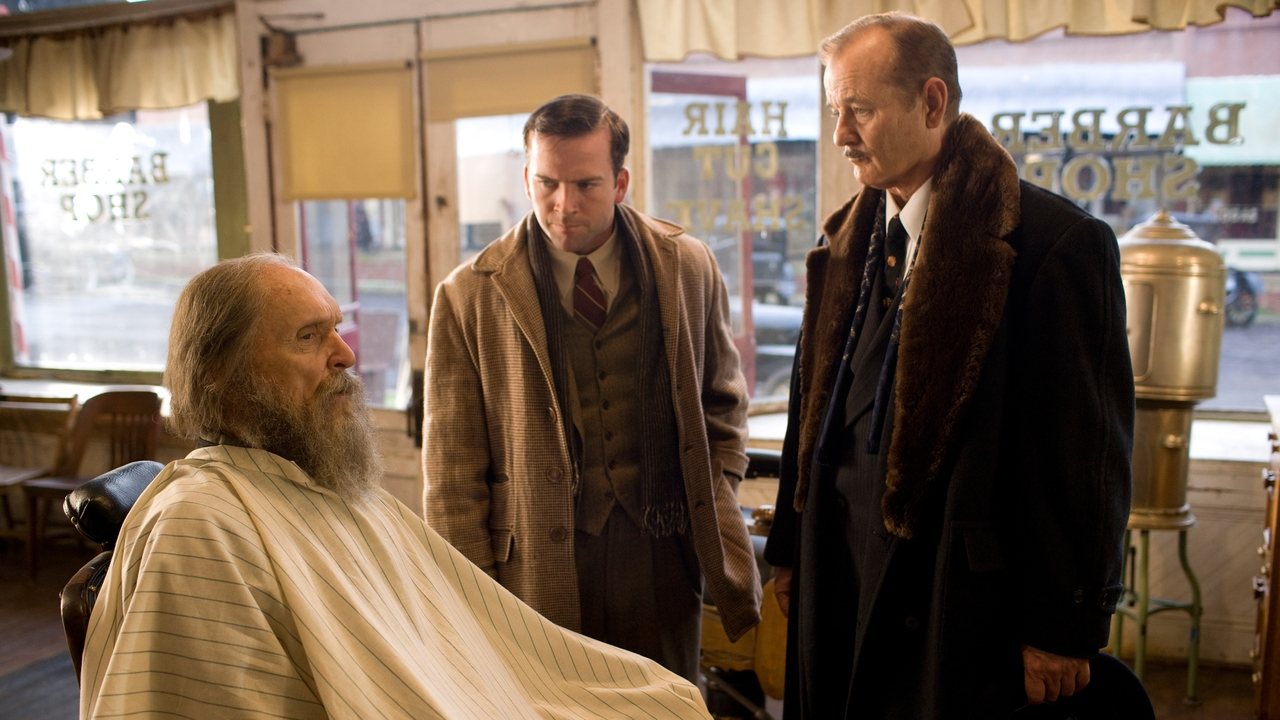





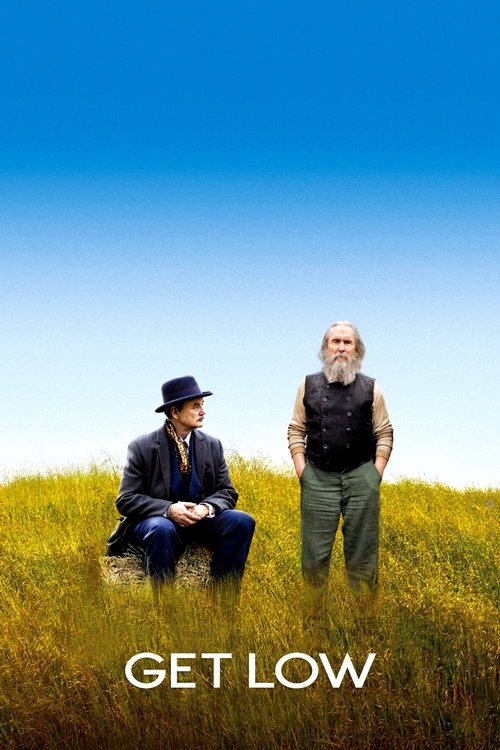
Felix Bush, the recluse at the heart of Get Low, has spent four decades living alone in the Tennessee wilderness, shunned by the local population and surrounded by rumors and hushed tales. When he emerges to arrange his own funeral while still alive so that he can hear what people say about him, it initially seems like a bizarre act from an eccentric character. However, this film delves into something deeper—a psychological mystery and drama centered on what’s commonly referred to as the “painbody.” The painbody is Eckhart Tolle's term for accumulated emotional suffering, unresolved trauma and guilt that resides within us, often dormant but persistent, waiting to be triggered. When we avoid confronting it, when we harbor shame, grief, or regret for years without letting go, it solidifies into something that controls us invisibly, shaping our lives and isolating us from genuine connection. Felix Bush is burdened by his painbody; he has carried a secret for forty years—a guilt so profound that he exiled himself from society, choosing to live in solitude with this burden because he felt undeserving of anything else. Without recognizing this underlying layer of meaning, the movie may seem like just an oddity. However, viewed through this lens, Get Low becomes a story about what’s necessary to release what has been destroying us internally. Even if viewers are unfamiliar with Eckhart Tolle's explanation, the narrative connects with our subconscious because we all understand the experience of carrying something too heavy to put down or living with a version of ourselves that we can’t forgive. Robert Duvall delivers a remarkably nuanced and balanced performance, avoiding portraying Felix as merely crazy or pitiable. We see the man beneath the painbody—the person he might have been had one terrible night not defined his entire life. It's an ideal role for a final appearance, though thankfully it wasn’t Duvall’s last. He shows us Felix’s isolation not as hatred of others but as self-punishment, and his rough exterior as protection against a world he no longer believes he deserves to be part of. The living funeral serves as an act of closure and letting go. Felix requires witnesses; he needs to publicly tell the truth, confess what he's carried in secret, be exposed in his shame and guilt, and discover whether the community will condemn him or offer him something he hasn’t granted himself: forgiveness. Releasing a painbody cannot happen in isolation; it demands being seen, voicing the unspeakable, allowing others to share the weight you’ve been carrying alone. The funeral gathering becomes a ritual—a final unburdening before death, an opportunity to die having spoken his truth. Bill Murray is perfectly cast as the funeral director who makes this unusual request possible, bringing his characteristic weariness and dry wit to a man who recognizes an opportunity but comes to understand he’s participating in something sacred. Sissy Spacek and Lucas Black are naturally excellent in their roles, grounding the story in authentic human connection. Get Low succeeds because it acknowledges that we all, in some measure, carry pain we haven't released, stories we haven't told, versions of ourselves we have banished to the hidden depths of our minds. Felix Bush’s living funeral represents what most of us never get: a chance to speak openly, to be acknowledged in our brokenness, and to discover that confession and release are possible even after forty years of self-imposed exile. That's why the film has such an impact. That’s why it is more than just something strange; it's a story about how we cope with what we have done and, if we are courageous enough, ultimately find our way back to who we truly are.
On September 20, 2026
#12691▼ 1150
12691st by attention movie online32.9Attention ScoreAttention ScoreOur daily Attention Score measures public activity and popularity signals across the web.How it works →