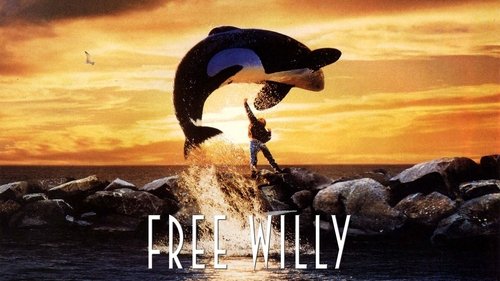




Even though it’s formulaic and full of familiar tropes, the movie remains impactful, having resonated with a generation and raising awareness about important issues even thirty years later. It's definitely a film that made an impression during the 1990s and maintained considerable popularity over the years. I feel somewhat sorry that it seems to be less remembered now, but I do believe it fulfilled its purpose: not only did it entertain audiences then and continues to do so, but it also played a role in sparking awareness among younger people—and others—regarding ecology and protecting endangered animals. It appears to have influenced how zoos and similar institutions are viewed; instead of simply being places for public amusement, they've become increasingly vital for animal preservation, essential now for the survival of species whose natural habitats have vanished, and which are sustained through captive breeding programs. They’re also at the forefront of assisted reproduction efforts with animals like Giant Pandas, as well as rescuing, treating, and rehabilitating animals that were illegally hunted or raised by people and need to be reintroduced into the wild. Ultimately, this film's significance lies more in its effect on viewers than in its inherent qualities. It’s a rather sentimental movie, relying heavily on clichés and lacking great artistic merit. It's an excellent family film, often shown repeatedly on television during Christmas seasons. The plot is straightforward: it follows a rebellious teenager who undergoes personal growth through his connection with an orca held in captivity for years. Their friendship feels genuine and touching, as does the boy’s determination—along with the help of his friends—to free her, racing against time and those who profit from keeping her captive. The storyline is very predictable and overly romanticizes releasing animals from captivity, overlooking the lengthy preparation needed and the uncertainty about whether an animal accustomed to human care can truly adapt to life in the wild. Keiko, the orca featured in the film, was eventually prepared for release but never fully adjusted to living freely. The movie has a decent cast, though the characters are poorly developed and largely stereotypical: the typical hero, a Native American character who possesses profound knowledge of animals, insensitive business owners... Excluding Keiko, Jason James Richter delivers a commendable performance as the young protagonist, appearing believable in his efforts. Michael Madsen also deserves recognition for his work, which contributed to one of the most popular films of his career. Lori Petty and Jayne Atkinson are quite good, while August Schellenberg does what he can with his limited role; the rest of the cast is unremarkable. From a technical standpoint, the film boasts strong cinematography. Many movies from the 90s seem dated now, but this one stands out as an exception worth noting. The filming locations and sets are visually appealing. The sound effects are well-done, and the visual and special effects deserve praise, particularly the realistic animatronic whale. Finally, the memorable theme music composed for the film is also noteworthy.
On September 24, 2026
#889▲ 93
889th by Pulse movie online50.1PULSEPulse MeterOur daily Pulse Meter measures public activity and popularity signals across the web.How it works →














