





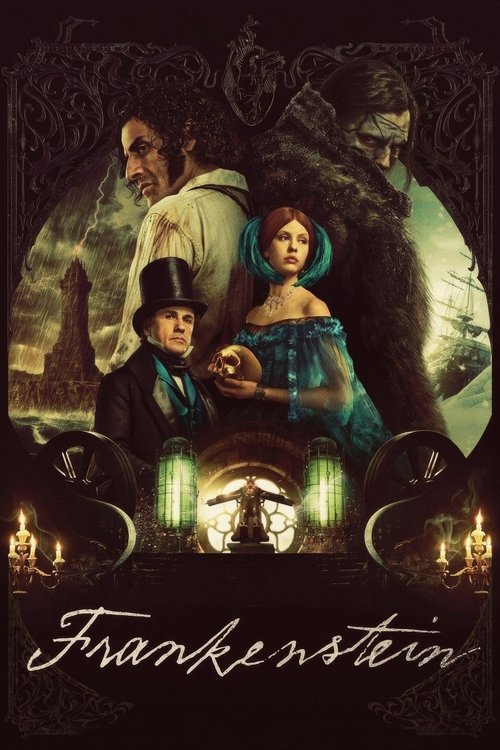
Guillermo del Toro’s “Frankenstein” possesses a striking visual beauty and considerable emotional weight, yet its release feels ill-timed given the current climate and the message it conveys. Although adhering more closely to Shelley's storytelling framework than some previous versions, del Toro significantly alters the underlying emotional tone. He reframes Victor’s arrogance and the transgression of assuming divine power as a depiction of inherited trauma: those who inflict harm on children often themselves experienced abuse and unresolved pain. The novel’s harshness is reimagined as empathy and the possibility of pardon. This approach might be welcome under different circumstances, but it feels inappropriate given the current political environment. The core issue lies in the blurring of Shelley's clear moral distinctions. Victor’s responsibility for his creation’s actions is lessened into a narrative of suffering and eventual resolution. The Creature offers forgiveness; Victor expresses regret, and harmony is achieved. It’s undeniably lovely, emotionally releasing, and likely to resonate with contemporary viewers. However, that’s also the cause for concern. Today's society seems largely populated by individuals who avoid accepting responsibility for their behavior. This pattern is evident daily in the political sphere, shaped by someone who committed a terrible crime, where disturbing events are softened, excused, and forgiven without repercussions. Del Toro has made a choice to cater to this audience, providing absolution when what’s truly needed is accountability. The original story wasn't intended to provide solace. Its purpose was to instill fear through illustrating the ramifications of excessive pride.
On September 22, 2026
#410▲ 20
410th by Pulse movie online55.5PULSEPulse MeterOur daily Pulse Meter measures public activity and popularity signals across the web.How it works →