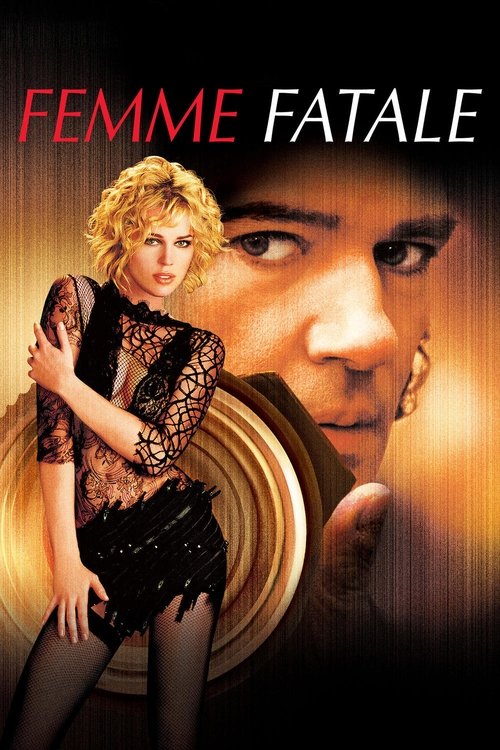





It’s a better experience to have sugar instead of vinegar, isn't it? **SPOILER ALERT - The final paragraph references a film from the nineteen forties that contains a spoiler.** Brian De Palma films tend to elicit strong reactions; people generally either completely dislike them or absolutely love them. Femme Fatale is no exception. You’ll find one reviewer giving it a terrible score, while another will praise it highly. If you appreciate De Palma's work and enjoy film noir, then this movie is excellent. Otherwise, the odds suggest that you probably should have avoided it. De Palma essentially opens his own funhouse and invites fans of noir to come inside and enjoy themselves. Describing the plot is tricky because there are so many twists and turns; it’s full of highs and lows, surprises and shocks, all heightened by De Palma's signature techniques and unexpected reveals. The story itself isn’t particularly original, but the journey is what makes the film feel well-made and playfully mischievous, with the director seeming to grin throughout. The movie begins with the titular femme fatale (Rebecca Romijn-Stamos) watching Double Indemnity, a classic noir film, which shows De Palma's affection for that genre. He employs split screens, tilted camera angles, upward shots, shadow play, and other techniques, creating an atmosphere of eroticism and impending danger – it’s truly a femme fatale movie on a grand scale. As the story progresses and hapless photographer Nicola Bardo (played with energy by Antonio Banderas) gets entangled in events, Ryuichi Sakamoto's impressive classical score adds to the feeling of being watched. Thierry Arbogast, as a noir photographer, becomes involved too. The film is full of deceptive characters, foolish individuals, and vengeful criminals; themes of identity, duality, sexuality, and distorted perceptions linger for those who become fully invested in watching it. Some critics—both professional and amateur—have carelessly compared the movie to David Lynch's Mulholland Drive, as if De Palma had watched Lynch’s film within six months and then quickly made this one! The accusation of imitation is amusing, especially considering the surprises De Palma delivers. Furthermore, as any fan of film noir will tell you, it has more in common with Fritz Lang's 1944 film "The Woman in the Window" than Lynch’s work, which isn’t a negative thing at all – and De Palma was aware of this. 8/10
On October 1, 2026
#2921▼ 125
2921st by Pulse movie online5.3PULSEPulse MeterOur daily Pulse Meter measures public activity and popularity signals across the web.How it works →














