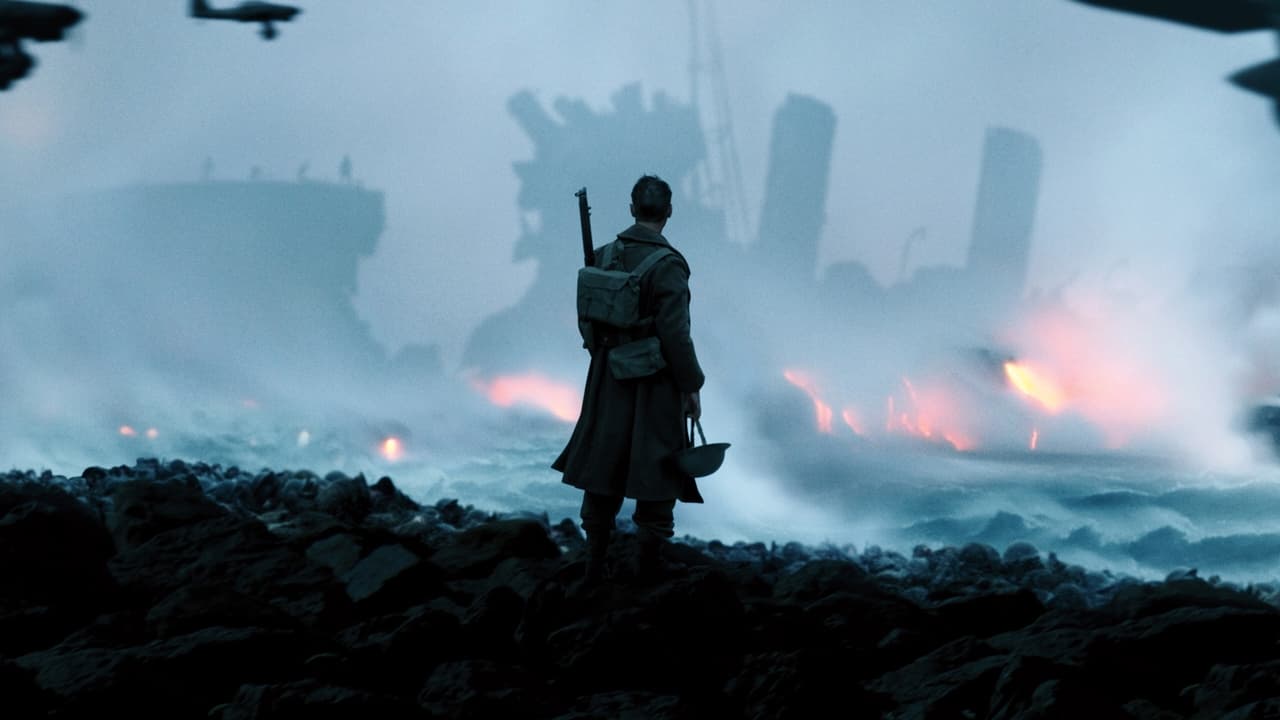





Given the talent involved, the budget, and all the factors at play, the movie is shockingly disappointing. The disaster at Dunkirk marked one of the initial events of World War II: as German forces advanced relentlessly, a mix of British, Belgian, and French soldiers were pushed into the English Channel, gathering in the French city of Dunkirk. The situation appeared bleak; within weeks, hundreds of thousands of weary Allied troops found themselves encircled by a powerful Panzer division and under constant attack from German aircraft, without a suitable port for evacuation, which would be carried out using smaller boats during “Operation Dynamo.” With France potentially next, Britain was understandably anxious. Even though the film portrays this episode in a positive light, attempting to emphasize the British ability to successfully evacuate their forces, there’s no doubt that Dunkirk represented a disaster and remains one of the most shameful moments in British military history, comparable to a similar predicament in 1809 at A Coruña, where British soldiers also found themselves trapped between the sea and the enemy—Napoleon's army. Furthermore, this film feels like a reimagining of a movie from the nineteen fifties with the same title and theme. Directed by Christopher Nolan, a well-regarded and popular director, the film features a cast comprised of recognizable names. Mark Rylance is particularly prominent as a civilian, a yacht owner who decides to personally rescue soldiers along with his sons. Tom Hardy also delivers strong work portraying a British aviator assisting in any way he can. Cillian Murphy is convincing, offering insight into the shock a soldier might experience during combat. Harry Styles and Aneurin Barnard are also worthy of recognition. Sir Kenneth Branagh stands out, embodying British stoicism; however, I felt his character was somewhat contrived to be more detached than would seem realistic in that situation. Despite its positive aspects, it’s undeniably a cold and unengaging film. Those anticipating intense firefights or large-scale battle sequences will likely be let down, having to settle for some aerial dogfights and tense moments that don't quite become full-blown combat scenes fitting of an epic war movie. Considering the sheer number of soldiers surrounded, one would expect to see a vast crowd of them... but this only happens occasionally, and it seems like production costs were deliberately kept low. The script is straightforward, shifting focus away from what’s happening on the ground and emphasizing events at sea and in the air; therefore, the German threat remains somewhat unclear and the film doesn't spend much time explaining it. That didn't bother me personally, but students struggling with history might need to do some extra reading to understand what’s going on. The characters aren’t particularly developed either: there isn’t a clear villain because the enemy is presented collectively, nor is there an undisputed central character. Technically, it has both strengths and weaknesses. Visually, it's impressive thanks to skillful filmmaking and striking cinematography. The sound design also deserves praise for its effective use of effects and a tense, impactful score by Hans Zimmer (another collaboration with Nolan). Unfortunately, the editing is flawed, and if the script already had shortcomings, the non-linear storytelling only amplified them, making the film confusing and disjointed.
On September 20, 2026
#304▼ 38
304th by attention movie online56.1Attention ScoreAttention ScoreOur daily Attention Score measures public activity and popularity signals across the web.How it works →