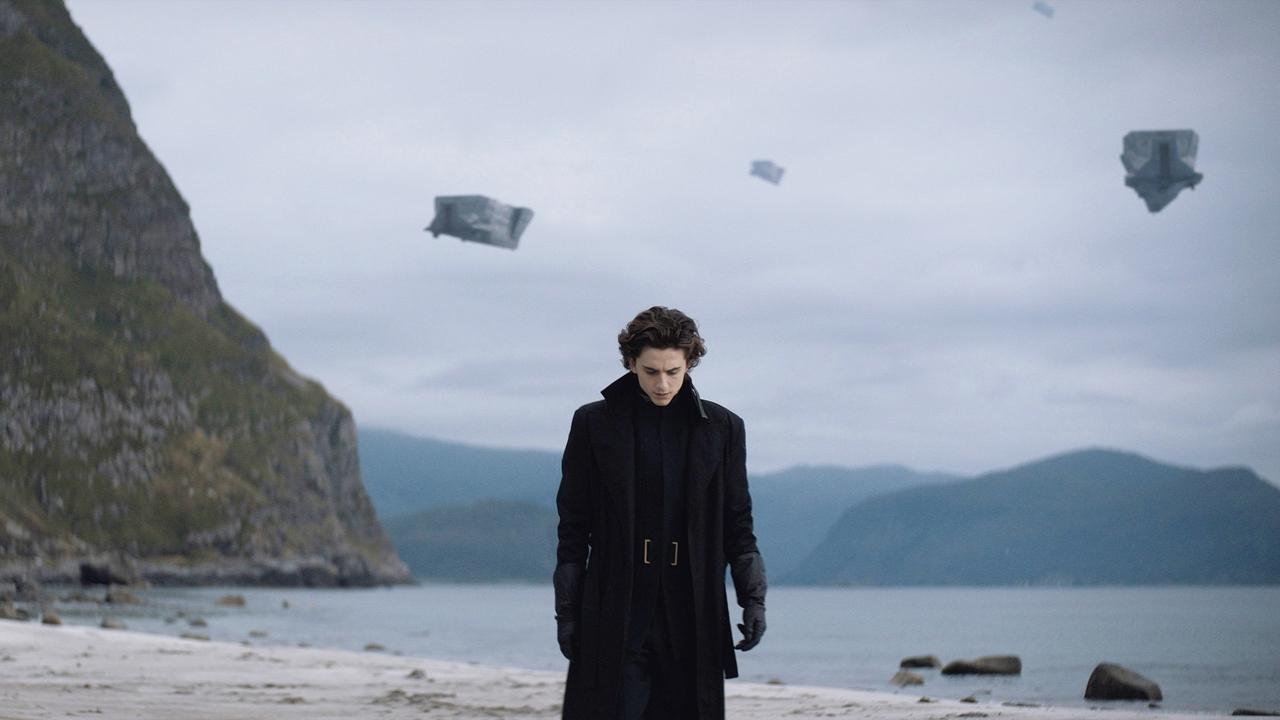





Having seen David Lynch’s "Dune" on television as a child, I wasn't really following the story then, but the sandworms captivated me. As I grew older, reading the book became a formative experience; it was the first grown-up novel I read independently and sparked a lasting love for it. Over the years, I’ve re-read it countless times and faithfully recorded and watched the miniseries each night. The Lynch film also held a place in my memory, despite its shortcomings, especially after experiencing the “Spicediver Edit,” which elevates it to a genuinely good, albeit imperfect, movie. Now, with Denis Villeneuve's "Dune," a new adaptation has arrived, markedly different from its predecessors. Is it any good? The answer is complicated. It’s a worthwhile film, but not a truly exceptional one. The story centers on Paul Atreides, son of Duke Leto, whose family finds itself embroiled in intrigue and betrayal after being entrusted with a valuable planet. To survive, he must rely on his mother Lady Jessica's training, the aid of the local people, the fremen, and an emerging awareness of a potentially dangerous destiny. However, the story is far more intricate than that synopsis suggests. The novel’s reputation for being “unadaptable” stems from its complex, layered plot and sheer size. It’s difficult to translate such a sprawling narrative into film or even a series. Each previous attempt has emphasized different aspects of the book, and Villeneuve's version is no exception. It aligns most closely with the novel in terms of themes and highlights political elements like the missionaria protectiva, which were absent from Lynch’s film and only subtly referenced in the miniseries. There's also more focus on the fremen and their feelings toward outsiders after years under Harkonnen rule; however, these important themes are diminished by a lack of development. In fact, the entire film suffers from this deficiency. So much political context and scheming is omitted that the movie feels surprisingly hollow. For instance, early on, the film establishes the emperor as a threat to Duke Leto due to his popularity, but it doesn’t explore this idea further. Even more strangely, the film later seems unsure of the emperor's involvement in a pivotal scene, unlike the book where the Duke was fully aware he was walking into a trap and attempting to outmaneuver his political rivals. Baron Harkonnen is limited to a few atmospheric scenes confirming the emperor’s role in destroying the Atreides line, but these moments are reduced to brief lines of dialogue. This results in shallow characterization that permeates the entire film. Gurney Halleck, Thufir Hawat, and Doctor Yueh all appear briefly, delivering only a handful of lines before being sidelined to focus on Paul or visually impressive shots. They don't feel like fully developed characters, but rather brief supporting roles fulfilling their functions in the larger story. Thufir Hawat’s portrayal is particularly disappointing. Even the main cast lacks depth; we learn enough about them to understand who they are and a little of their personality, but not much more. It seems odd that the longest adaptation of the first half of the novel would have less detail and character than either previous version. While long, moody shots can be effective, they need to be balanced with substance. The plot has been streamlined so much it feels diluted, wasting the talents of the cast who are similarly constrained in their roles. There are also a few scenes that contradict events from the book. Lady Jessica discusses sensitive matters about the Bene Gesserit sisterhood while sitting in an ornithopter cockpit within earshot of Thufir Hawat. Reverend Mother Mohiam refers to Jessica as Leto’s "wife," despite knowing they aren't married. Shadout Mapes draws a crysknife in public, within sight of guards, and then sheaths it unblooded—a choice that feels out of place given the fremen’s later practice of cutting themselves before doing so. While adaptations inevitably take liberties, these three instances stand out as particularly significant departures from the source material, ultimately detracting from the film's quality. That being said, there are aspects I enjoyed. The film is visually stunning; a few scenes feel gratuitous, like ships rising from the ocean seemingly for no reason, but they look beautiful nonetheless. There’s also a sense of scale that neither previous version achieved. As a result, certain scenes more closely resemble their descriptions in the book and are a joy to watch. I appreciate how the film portrays the emperor as an unseen force guiding events from afar; he is built up exceptionally well, and I'm curious to see how he will be portrayed if there’s a sequel. In previous adaptations, he was prominently featured to provide context for the story's politics, but keeping him off-screen, as in the book, works very effectively. The film also presents the most faithful depiction of Paul’s growing prescience, hinting at possible outcomes rather than delivering complete visions. While the execution isn't flawless or always subtle,
On September 20, 2026
#221▼ 98
221st by attention movie online57.6Attention ScoreAttention ScoreOur daily Attention Score measures public activity and popularity signals across the web.How it works →