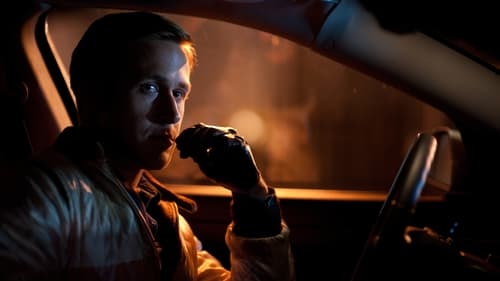




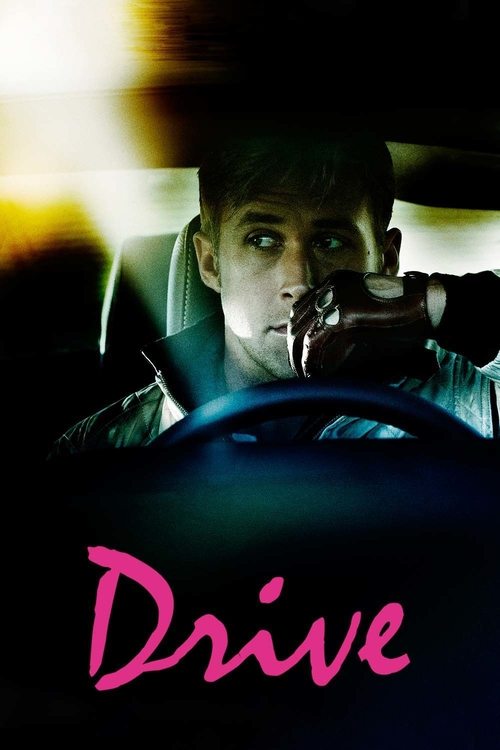
Fate? Uncertain... Drive, directed by Nicolas Winding Refn and adapted from a screenplay by Hossein Amini based on James Sallis’ novel, stars Ryan Gosling, Carey Mulligan, Bryan Cranston, Albert Brooks, Oscar Isaac, Christina Hendricks, and Ron Perlman. The film features music by Cliff Martinez and cinematography by Newton Thomas Sigel. Driver (Gosling), working as a Hollywood stunt man during the day, earns serious money at night as a getaway driver for criminals. His life takes an unexpected turn when he meets his married neighbor Irene (Mulligan) and her son Benicio (Kaden Leos), drawing him into two conflicts: one involving his emotions and another with the criminal underworld. It’s a portrayal of a genuine human being, a real hero. Having garnered instant cult classic status and widespread critical acclaim, Drive was arguably a surprising standout among films released in 2011, a year dominated by blockbuster movies and pretentious narratives. It seemed poised to find an appreciative audience, yet the film proves to be something different than what its plot summary suggests. While some may have hoped for something akin to "The Fast & The Furious 19," Drive ultimately offers a unique experience—a western reimagined with 1980s neo-noir aesthetics. Initially, it appears as if the movie prioritizes style over substance, and the protagonist’s lack of dialogue might provide ammunition for those who skim the surface. However, the material is in capable hands; Refn, Sigel, Gosling, and others carefully unravel Amini's streamlined screenplay to reveal a gritty urban fable laced with ethereal elements. It’s a film where expressions carry more weight than words, subtle gestures reveal layers of meaning, and moments of shocking violence punctuate an otherwise serene atmosphere—all while maintaining intelligence and a powerful emotional core. The complexity of Gosling’s Driver character propels the narrative forward. He lacks a detailed backstory, offering little insight into his personality beyond his connection with Irene and her son. He represents one of many deliberate ambiguities within the plot structure. We learn just enough to root for him—a flawed hero fighting against fate as he strives to protect the innocent, essentially becoming a modern-day Los Angeles vigilante. His coolness behind the wheel is also notable, drawing inspiration from Steve McQueen’s effortless charisma. Refn delivers exhilarating action sequences, ranging from an extended opening getaway to a high-speed chase where survival depends on skill. Gosling's performance is remarkable and instantly iconic, his soft voice complementing his gentle blue eyes, with a toothpick perpetually between his teeth. It's a testament to his talent that these nods to classic film characters never veer into parody. He truly shines in the quieter moments—watching television with Benicio or gazing intently at Irene—revealing a magnetic presence. Mulligan also delivers a wonderful performance, subtly portraying Irene and creating tender chemistry with Gosling. Isaac portrays the ex-con/husband character with nuance, avoiding stereotypes. Brooks embodies simmering menace reminiscent of Colm Meaney, while Cranston infuses heart into his role as Driver’s garage boss, who serves as his closest confidant. Perlman's character is somewhat one-dimensional, but he brings such energy to the screen that the film remains engaging despite this shortcoming. From the opening neon pink credits accompanied by a memorable 1980s synth soundtrack (one that lingers long after viewing), it’s clear that Refn takes his style seriously. Drive boasts stylish passages, fluid camera movements, single takes, unconventional framing, slow-motion sequences, and striking aerial shots of a neon-lit Los Angeles—demonstrating the director's eye for quality. He is ably assisted by editor Matthew Newman, who delivers seamless precision, and Sigel’s cinematography, which masterfully employs shades and color toning. This makes it an essential Blu-ray purchase. Comparisons to roughly ten other films have been made, with Refn’s work being hailed as a descendant of Michael Mann, Walter Hill, William Friedkin, and Sergio Leone—high praise indeed. Nevertheless, Drive remains fresh and exciting, a complete cinematic package. It stands as Refn's masterpiece and one of the best films of 2011. 10/10
On September 22, 2026
#858▲ 40
858th by Pulse movie online54.4PULSEPulse MeterOur daily Pulse Meter measures public activity and popularity signals across the web.How it works →