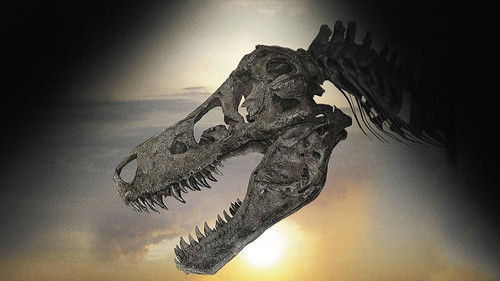





Like many people, I have certain movies that are tied to my childhood memories, and for me, that's "Jurassic Park." It set the standard for visual effects and realistic animal behavior back then, and it sparked a lifelong fascination with dinosaurs, especially the Tyrannosaurus Rex. This documentary focuses on that same species, and I was excited to learn more about it. I anticipated an engaging exploration of paleontology, and initially, the film delivered. It begins by establishing that we are surrounded by history, then introduces a team of paleontologists who discover what they name Sue—the thirteenth T-Rex ever found. The recovery rate was higher than any of the previous twelve specimens. Hearing the scientists describe their discovery with such passion was genuinely thrilling. However, around thirty minutes in, the film unexpectedly shifted from scientific investigation to a legal dispute over Sue’s ownership. This courtroom drama wasn't what I expected or wanted, but I felt compelled to finish watching. > "So you look up and you're looking at the past, > and then you look down and you're looking at the past." What followed was a surprising revelation: the involvement of the federal government. The battle for Sue commenced, and while it’s easy to understand the legal and ethical considerations involved, choosing sides proved difficult. There's an understandable emotional connection to the discovery, but also the laws that everyone must abide by. Soon, I found myself forgetting about Sue as the focus completely changed, leaving me unsure of where the story was headed. From the paleontologists’ perspective, it was disheartening, and from a broader public view, the accusations seemed like an abuse of power. The film incorporated moments of dark humor, comparing the situation to dogs fighting over a bone. Ultimately, someone had to lose, and the consequences were significant. America's history of questionable decisions, both domestically and internationally, has been explored in films before—for me, Charles Chaplin’s exile remains one of the most regrettable events in American history. People like Peter Larson, featured in this documentary, are exceptional individuals whose achievements were undermined. They deserve proper recognition for their work. Essentially, there wasn't a genuine legal case; it was more of a poorly managed situation that dragged on for years. There are instances where this is evident, such as when a prison guard remarks, 'Man, you must have really pissed somebody off.' Another moment highlights Robert Bakker, a respected paleontologist who acknowledged the Peter Larson team’s skill and expertise, though he refrained from openly supporting them due to legal boundaries. I recommend watching it simply to understand the truth about Sue and the people responsible for her discovery. It's a worthwhile documentary, but don’t expect any in-depth scientific explanations beyond learning about Sue’s journey from seizure by the FBI to display in a museum. If she were alive, no one would want to claim responsibility for her; they’d likely run away. 8/10

On September 20, 2026
#234035▼ 23760
234035th by Pulse movie online0.1PULSEPulse MeterOur daily Pulse Meter measures public activity and popularity signals across the web.How it works →














