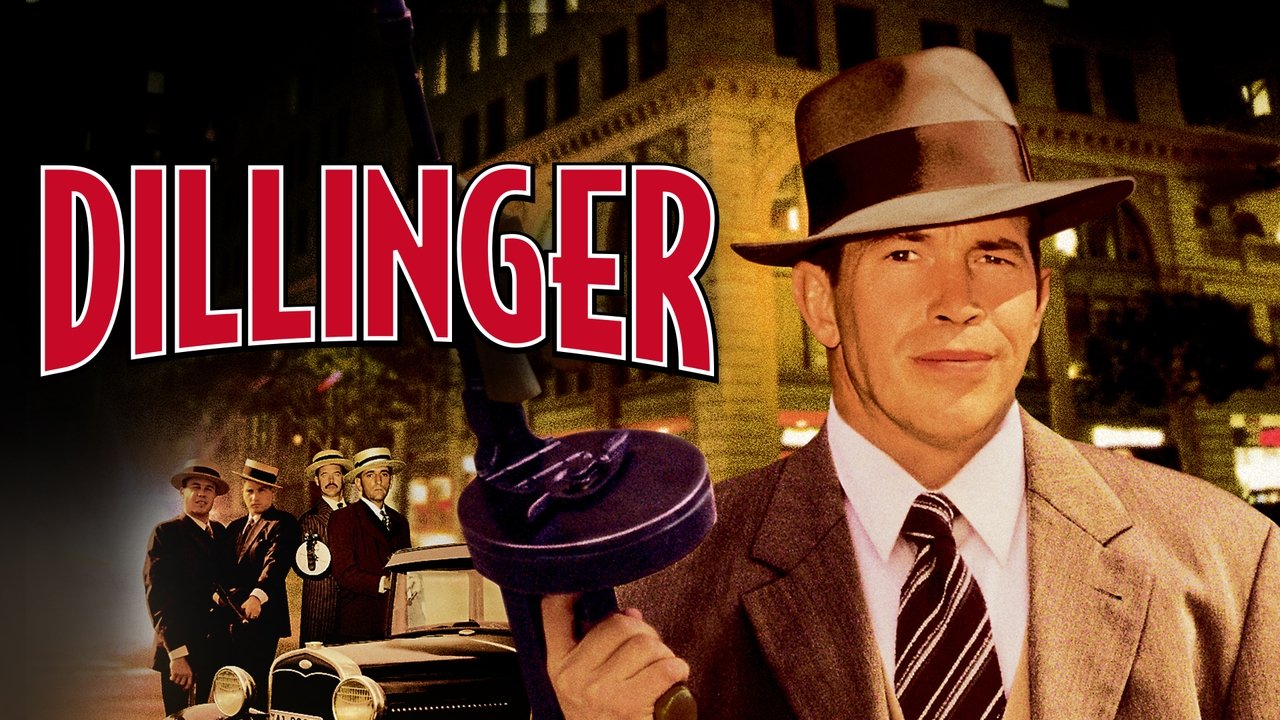





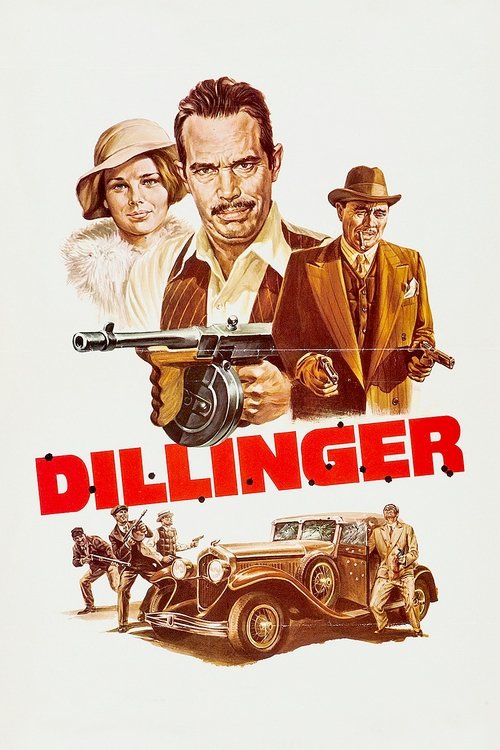
Warren Oates’ portrayal captures John Dillinger's mannerisms—his walk, his speech, even his shooting style—and he stands out as a highlight of "Dillinger." The 1973 biopic, written and directed by John Milius, recounts the story of the notorious bank robber. It acknowledges Arthur Penn’s “Bonnie and Clyde,” but Milius' script doesn’t quite reach the same level of visual impact. While the narrative itself might be familiar from numerous true crime documentaries, it details how Dillinger and his gang used violence to rob banks across the Midwest. He was apprehended in Arizona, returned to Indiana, and managed a jailbreak using a bar of soap fashioned into a gun and darkened with shoe polish. The FBI’s Melvin Purvis (Ben Johnson) relentlessly pursued him, seemingly driven by a personal desire to eliminate these criminals, often depicted smoking cigars after their deaths. Dillinger's gang had female companions, and he was involved with Billie, portrayed by Michelle Phillips. Dillinger met his end outside the Biograph Theater in Chicago while accompanied by Anna Sage (Cloris Leachman), known as the woman in red. Though "Bonnie and Clyde" marked a significant moment in crime films, I felt that film occasionally romanticized its subjects. “Dillinger” takes a different approach, presenting the bank robber as harsh as one might imagine. Milius’ attempt to depict Dillinger as a villain ultimately falls short because we are thrown into his life close to the end, without understanding how he became involved in crime. His family is briefly shown, but that scene doesn't lead anywhere. The film immediately plunges us into Dillinger’s actions, but lacking any background information, it’s difficult to feel sympathy, empathy, or even interest in him. The movie’s opening feels disjointed with choppy editing and awkward scenes until the action sequences begin; I wondered what material was cut. Ben Johnson delivers a strong performance as Melvin Purvis, an excellent character name if one didn't know he was a real person. While he should be positioned as our hero, Purvis is shown to be just as brutal as Dillinger. Milius keeps us guessing, showing Purvis dispensing violence on some criminals while letting others go without explanation. We understand Purvis as well as we do Dillinger. Ultimately, what does Milius offer? Some truly impressive shootout scenes. The lengthy gun battle at a house is entirely worthwhile. The film doesn’t shy away from portraying the death and destruction caused by both law enforcement and the criminals. Milius' direction is solid, and his hazy views of the Depression era are visually appealing. The cinematography, set design, and costumes are all well done. The supporting cast is generally good, with several recognizable faces. Michelle Phillips is adequate as Billie, but this type of “moll” role feels tired. Harry Dean Stanton provides some humor as gang member Homer; his final scene is among the film’s best. Cloris Leachman, a recent Oscar winner at the time, appears in just two scenes as Anna, and I would have liked to see more of her. Oates delivers the finest portrayal of Dillinger seen on film. A number of character actors fill out the rest of the cast: Geoffrey Lewis, John P. Ryan, Steve Kanaly, Frank McRae, Richard Dreyfuss as Baby Face Nelson—all are good. "Dillinger" is a mixed experience. It features incredibly violent shootouts alongside a lack of connection to the characters or their motivations. Perhaps we do understand Purvis’s feelings toward Dillinger after all.
On September 20, 2026
#15190▼ 860
15190th by Pulse movie online29.3PULSEPulse MeterOur daily Pulse Meter measures public activity and popularity signals across the web.How it works →