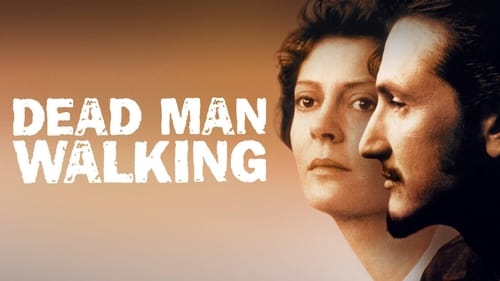





This is a deeply human story that hinges on the performances of its two lead actors and explores the complexities surrounding capital punishment. Like many films, this one aims to provoke thought about emotionally charged topics, and those dealing with the death penalty almost invariably do so. The debate around capital punishment seems destined to continue indefinitely, partly because there are valid legal, ethical, social, and religious arguments supporting both sides. Ultimately, opinions often depend on how people view the justice system—whether prioritizing retribution or rehabilitation. The film draws from the memories and experiences of Sister Helen Prejean, a Catholic nun who has provided counsel and support to numerous death row inmates in Louisiana, one of the states that still uses capital punishment. It’s an intensely personal movie, largely centered on the private conversations between the nun and a prisoner convicted of killing a teenage couple but maintaining his innocence. The screenplay attempts to heighten audience engagement by incorporating elements like claims of possible innocence, subtle romantic tension between the nun and the inmate, the understandably intense emotions of the victims' families, and suggestions of impropriety within the justice system related to political expediency and public image. The film thoroughly exploits its subject matter, explores multiple angles, and generally succeeds in doing so. Beyond being a strong statement against the death penalty, it’s also an affecting drama about a man who expresses remorse for his actions, even as he faces execution. My one reservation regarding the script involves some of the flirtatious undertones that felt unnecessary and ultimately detracted from the film's impact. Susan Sarandon, a prominent actress from the late 20th century, delivers an outstanding performance, rightfully earning an Academy Award for Best Actress. She portrays her character with sensitivity and compassion, avoiding excessive melodrama (though there are a few less successful moments toward the end). This is undoubtedly one of the highlights of her career. Sean Penn, appearing younger here, uses this opportunity to advance his acting skills. As expected, he would later achieve significant recognition and awards. Here, he provides a solid portrayal, balancing resentment, regret, despair, and the desire for redemption and forgiveness. He prevents his character from becoming simplistic or overly dark, adding layers of psychological depth that are worthy of appreciation. Technically, the film is straightforward, practical, and functional. It avoids obvious flaws, effectively utilizes source material and the involvement of the real Sister Helen, and prioritizes giving the actors space to perform. Director Tim Robbins demonstrates a sensitive and methodical approach, recognizing the film’s reliance on the two leads and focusing on eliciting their best work without interference. However, it would be unfair not to acknowledge the effective cinematography, with strong framing (using bars and similar techniques to emphasize confinement) and an excellent sense of setting. The film also features an original song composed by Bruce Springsteen.
On September 24, 2026
#2563▼ 342
2563rd by Pulse movie online50.9PULSEPulse MeterOur daily Pulse Meter measures public activity and popularity signals across the web.How it works →














