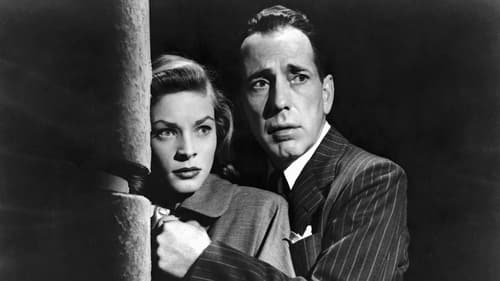




Bogart is largely absent from view throughout Dark Passage, often heard but not seen. Whenever the camera isn’t presenting events from his perspective—a trick that feels dated now, although it may have seemed fresh in 1947, similar to an early version of a first-person game—his face is either obscured by shadows or hidden behind bandages. The latter comes about because of a cosmetic procedure performed in a dark alleyway, which strikes me as unusual since such drastic measures are typically reserved for genuine wrongdoers; perhaps only someone burdened with immense guilt would be willing to alter their reflection. Here, Vincent Parry (Bogart) is an individual wrongly convicted who attempts to restore his reputation. I wonder what would happen if he succeeded in demonstrating his innocence? Would he then opt for additional cosmetic work to return to his original appearance? Or might he simply live out the remainder of his days with a surgically altered face? It seems Vince didn’t fully consider the consequences; though, admittedly, things could have turned out worse—think of Peter Lorre's character in The Face Behind the Mask. Still, considering how little use this new face proves to be, he might just as well have kept his original one and saved himself both money and effort—and a similar thought applies to writer/director Delmer Daves; I mean, what’s the purpose of casting Bogie (who had previously appeared in films like The Maltese Falcon, Casablanca, To Have and Have Not, and The Big Sleep) only to keep him hidden from view for much of the movie?
On September 24, 2026
#4666▲ 545
4666th by Pulse movie online35.8PULSEPulse MeterOur daily Pulse Meter measures public activity and popularity signals across the web.How it works →














