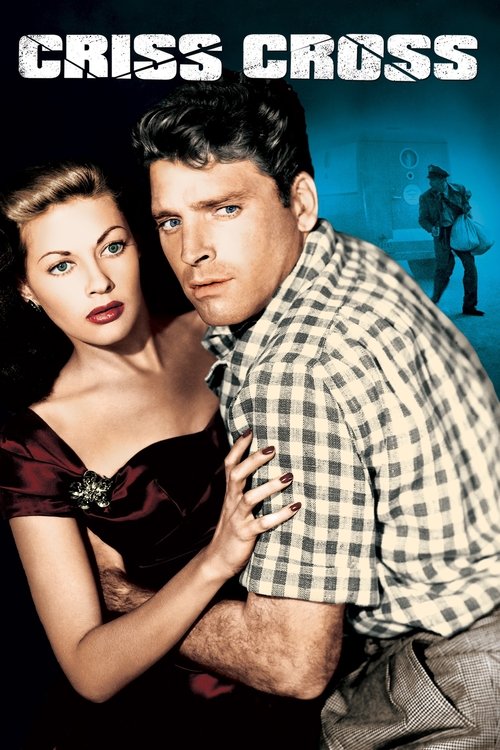




I’ve always been fascinated by the music choices in film noir. It’s interesting to note that unlike some self-conscious noirs like *Farewell, My Lovely* and *Body Heat*, most of these films feature orchestral scores rather than jazz soundtracks. That familiar wailing saxophone over a Robert Mitchum voice-over is often parodied, as seen in the Guy Noir segments from *A Prairie Home Companion*. However, you rarely hear that kind of music actually featured in classic noir films; instead, jazz and other popular American musical styles are typically used only when musicians are performing on screen rather than playing in the background or over the opening credits. There are exceptions, like *Odds Against Tomorrow*, but generally, this holds true. Music performed within the film’s narrative often falls into a couple of categories. One involves alluring femme fatales singing upbeat songs in glamorous nightclubs—performances by actresses such as Rita Hayworth and Liz Scott. These tunes don't necessarily connect to the plot beyond reinforcing the women's attractiveness, creating something akin to the “Jessica Rabbit effect.” The other category includes bands playing in shadowy bars and clubs, where the music is integrated into the story’s context. This music isn’t somber or slow; it’s pounding and disorienting—perfectly capturing the film's atmosphere. *D.O.A.* provides a good example of this. The most memorable part of that movie (aside from Dimitri Tiomkin’s wonderful score) is a performance by the Fisherman, an all-black band that plays with such intensity it’s almost overwhelming to watch. After following some partygoers from his hotel to the club, Edmund O'Brien becomes so irritated by the music—and the malevolent gaze of a jealous husband—that he leaves his companions and goes to the bar alone, which gives villains an opportunity to slip him a drugged drink. In *Phantom Lady*, when Kansas is investigating, she’s eventually led to a drummer in a nightclub show. The music there reflects the style common in 1940s films—a somewhat stagy and bland Carmen Miranda imitation. Things improve after the performance when the drummer takes Kansas to a more authentic jazz club. That scene is both sensual and unsettling; as the drumbeats build, almost like a sexual climax, “hep kitten” Kansas observes Elisha Cook Jr. giving an energetic drumming performance. Director Robert Siodmak’s use of music makes it clear that Kansas is putting herself in danger—violence seems imminent after witnessing Cliff's drum solo. However, Siodmak’s most effective musical moment comes in *Criss Cross*, during Steve and Anna’s reunion. The film opens with a long aerial shot over Los Angeles set to Miklós Rózsa’s noir score. The camera eventually focuses on two lovers startled by passing headlights in a parking lot: Steve Thompson (Burt Lancaster) and his ex-wife, Anna Dundee (Yvonne De Carlo), who are planning to double-cross her husband, gangster Slim Dundee (Dan Duryea). The elaborate plan also involves deceiving Steve’s cop friend. The scheme looks doomed from the start. As Steve drives the armored car to the heist location that morning, he flashes back to the events leading up to the crime. Steve has been away from Los Angeles for a year. After his divorce from Anna—a short marriage of less than a year—he traveled around the country doing odd jobs and likely drinking heavily at night. Upon returning home, he heads straight to their old hangout. He tells everyone that he hasn’t seen Anna again and wants nothing to do with her, but immediately goes to the club to find her. Steve acts in contradiction to what's expected of him throughout the film—he consistently does the opposite of what people anticipate. He is a danger to himself, arguably more so than Anna or Slim. The bar is narrow and dark, anchored by a local barfly and a rotund bartender. A nightclub occupies the outer area – it’s not particularly fancy but an upgrade from the bar. For the neighborhood patrons, it’s a sophisticated place to be seen. That's where Steve sees Anna again, and the following scene blends music and visuals perfectly—it's electric. With an impressive performance by Esy Morales’ Rumba Band, you see the world through Steve's eyes, which revolve entirely around Anna. As she dances to the pounding rumba, it's clear why he’d do anything to have her, even rob a bank. Keen observers will notice that she’s dancing with Tony Curtis. The scene is remarkable because of how well the band plays and how their music syncs with Steve’s reaction to Anna. Siodmak shoots the film from Steve's perspective, similar to a Raymond Chandler novel. This point of view makes it difficult to see Anna's flaws, even after Steve learns (in a heartbreaking scene) that she has married Slim. Siodmak uses this subjective viewpoint effectively throughout the film, especially at the end when Steve is recovering from a bullet wound and broken arm. He must play a dangerous game while in pain and just waking up in a hospital bed. The suspense continues even as he’s moved to a boathouse for a final confrontation with Anna and Slim. The villains in *Criss Cross* deserve special mention. Duryea contrasts sharply with Lancaster, not only in terms of physical build but also in character. When Slim catches Steve with Anna, Duryea is wearing an all-black suit
On September 25, 2026
#14429▼ 5246
14429th by Pulse movie online29.1PULSEPulse MeterOur daily Pulse Meter measures public activity and popularity signals across the web.How it works →