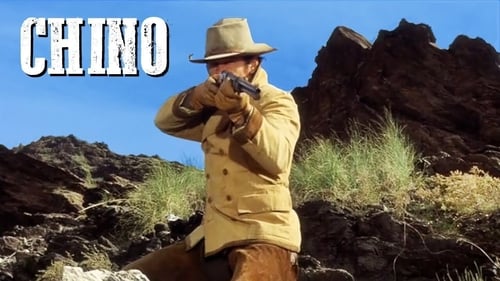





“The Valdez Horses,” also known as “Chino and Valdez the Halfbreed,” comes from director John Sturges and features a screenplay by Clair Huffaker, adapted from Lee Hoffman’s novel of the same name. The film stars Charles Bronson, Jill Ireland, Marcel Bozzuffi, and Vincent Van Patten, with music composed by Guido and Maurizio De Angelis and cinematography by Armando Nannuzzi. The story centers on Chino Valdez (Bronson), a man of mixed Indian and Mexican heritage who lives a solitary life on his ranch, focused on breeding and training horses. His quiet existence is disrupted when a young boy named Jamie Wagner (Van Patten) arrives seeking shelter and work. This encounter sets in motion events that will profoundly affect both men’s lives. It's common for Western fans to dismiss films with mixed reviews, even if they feature an actor they enjoy. “The Valdez Horses” is a beautiful and thoughtful film that seems to have been unfairly criticized because viewers expected something different from Bronson. There are rumors surrounding the extent of John Sturges’ involvement in directing, with some suggesting Italian filmmaker Duilio Coletti did most of the work, but regardless, the final product is a mature and engaging piece of entertainment. The movie shares qualities with films like “Monte Walsh,” “Will Penny,” and “Lonely Are the Brave,” all featuring a strong male protagonist struggling against his surroundings. Chino finds contentment in solitude with his horses—a clear understanding exists between man and animal. However, Jamie’s arrival disrupts this balance, but ultimately for the better, as two lost individuals find a sense of family they thought was unattainable. The film also includes a villain, Maral (Bozzuffi), a powerful landowner who harbors prejudice against Chino. Complicating matters further is the arrival of Catherine (Ireland), Maral’s British half-sister, with whom Chino develops an attraction that Maral will do anything to prevent. Their connection would be beneficial for both, but their relationship is overshadowed by Maral's hatred. Some older reviews criticized the film as a collection of disconnected scenes, but this isn't accurate; the narrative builds steadily toward the next chapter in Chino and Jamie’s lives. Chino introduces Jamie to an Indian tribe, immersing him in their culture, while acknowledging that they are a disappearing people. He also takes Jamie to celebrate Christmas with the local Mexican community, showing him that not all of the West is filled with animosity. The scenes involving horses—the training, riding, and intense stares—are exceptionally filmed and serve to illustrate Jamie’s ongoing education. There's some violence, as one would expect with Bronson in a Western role, but it isn’t an action-packed film full of gunfights. In fact, the ending is unconventional and may leave some viewers feeling unsatisfied. Initially, I felt that way too, but after reflecting on it later, I appreciated its boldness and poignancy—a truly bittersweet conclusion that prompts a reevaluation of the entire movie. The beautiful scenery (filmed in Almeria, Spain) adds to the film's appeal, and Bronson delivers a strong performance with excellent chemistry between Ireland and Patten, making this a far better film than many believe. It earns an 8/10. Past DVD releases have been disappointing, contributing to its obscurity among Bronson Westerns. Fortunately, I was directed to the Optimum Region 2 Western Classics release by a friend—a good transfer that demonstrates why one shouldn’t settle for cheap public domain copies.
On September 23, 2026
#22073▼ 3657
22073rd by Pulse movie online22.2PULSEPulse MeterOur daily Pulse Meter measures public activity and popularity signals across the web.How it works →