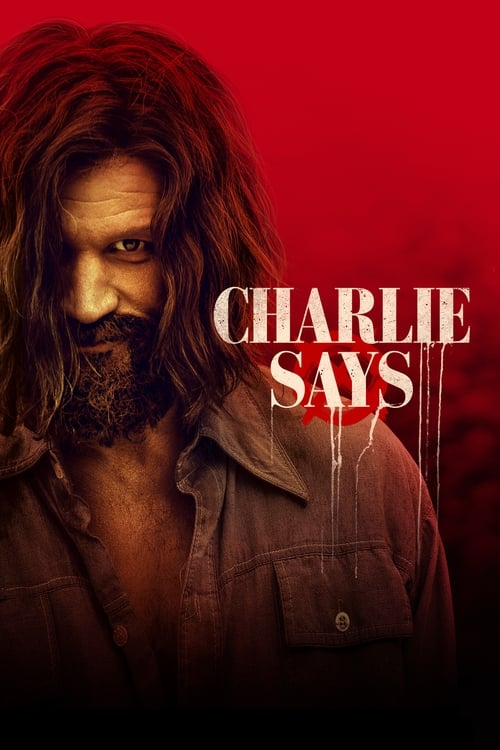





The film's perspective, as described by Charlie, is one of "ruthless indoctrination with limited psychological depth.” Charlie also remarked that it seemed like a chance for him to establish himself as a serious actor by playing a notorious serial killer—a role requiring a bushy beard and an unusual accent. What wasn’t mentioned, though, is that the film presents a rather clumsy interpretation of events, rarely offering any insight into the humanity of the real people involved. Considering the number of films released in a single year focusing on the murder of Sharon Tate, Harron's specific focus felt like a welcome change. The story centers entirely on Manson’s “family” and how he manipulated them into believing his radical worldview, following a psychologist working with three female followers to help them understand the gravity of their actions. The narrative crafted by Turner relies on familiar flashback sequences, lacking any real weight. I could sense the perspective Turner was trying to achieve; it almost felt ingenious in its approach. The film attempts to offer a psychological viewpoint on events that have been repeatedly depicted onscreen, aiming to explore how indoctrination can be reversed. Yes, Sharon Tate and other wealthy individuals are murdered—but instead of sensationalizing those acts for the audience's enjoyment, the film intends to highlight key moments demonstrating Manson’s ability to brainwash his followers, treating them like puppets. This provides a basis for psychological examination. However, the analysis and exploration of this psychosis remain disappointingly superficial. There's a noticeable lack of gradual shifts in Leslie’s (who Manson calls Lulu) thinking as she aligns herself with her new leader. Manson’s power is established immediately, without any real buildup. Leslie seems to be recruited and instantly obeys Manson's commands, without any apparent internal struggle between her past beliefs and what she’s giving up. While Murray effectively conveyed moments of self-doubt through brief pauses and glistening eyes, these felt out of place compared to Leslie's initial unquestioning acceptance. Fortunately, their time in the institution allowed for an examination of their beliefs, drawing parallels between Manson’s influence and a radical Christian faith. It’s unfortunate that more screen time wasn’t dedicated to this intriguing angle, which could have made for a much stronger psychological drama—a real waste of Wever's talent. Smith delivered a believable portrayal of the murderer, but I couldn’t shake his familiar quirks from his time on ‘Doctor Who,’ like talking to inanimate objects and rambling nonsense. It must be frustrating for him, though he did demonstrate some versatility, even if his accent occasionally slipped into something resembling a Northamptonshire greeting. Ultimately, this is a disappointing biographical film. The focus on the “family” was remarkably well done—almost perfect, I’d say. But the lack of emotional, psychological, and structural depth resulted in a rather ordinary drama that simply retold events instead of truly illuminating them. Charlie suggested aiming high, but Harron and Turner didn't quite reach his intended goal. It would have been amusing to title this “Charlie’s Angels,” though...
On October 4, 2026
#11505
11505th by Pulse movie online3.1PULSEPulse MeterOur daily Pulse Meter measures public activity and popularity signals across the web.How it works →