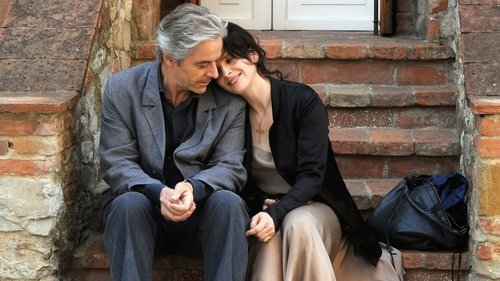





Abbas Kiarostami’s later works were made outside of Iran, and his 2010 film CERTIFIED COPY unfolds in the vibrant towns and countryside of Tuscany. The two central figures have come to Italy from elsewhere: a Frenchwoman (whose name is never given, portrayed by Juliette Binoche) has been running an antique shop in Arezzo for several years, while James (William Shimell) is an Englishman invited to give a lecture about a book on art history that he authored. The film begins with James delivering this very lecture, discussing how a high-quality reproduction of a work of art might be considered superior to the original. He then encounters the French antiques dealer, and they spend an afternoon exploring Tuscany’s hidden corners. With the woman's awkwardness and James’s smooth confidence, Kiarostami seems to be playfully referencing romantic comedies from recent decades. However, the film then takes a turn into magical realism: the two start speaking as if they have already been married for quite some time. Their relationship continues to develop and change throughout the film’s 106 minutes (which feels like just a Sunday afternoon to them), while Kiarostami contemplates how marriage evolves over the years—people transform with age, a husband and wife will eventually become copies of their younger selves, but are these copies better than the originals, or simply sad imitations of youthful idealism? For those who have experienced marriage (those who haven’t might not fully grasp what the film is about), CERTIFIED COPY offers a poignant depiction of the difficulties of staying together with another person and the hidden complexities even in seemingly happy relationships. I did end up feeling somewhat conflicted, though. Beginning the movie with such an overtly instructional lecture felt like a misstep to me; no one wants to feel talked down to right from the start. Also, the script relies too heavily on dialogue at times, becoming overly verbose and potentially overwhelming for viewers even if they can follow the trilingual French-Italian-English conversations (it’s probably especially challenging for those using subtitles). Kiarostami could have shortened the dialogue without losing any of his intended meaning. Before appearing in this film, Shimell had primarily been known as an opera singer performing on stages across Europe. He successfully transitioned to acting, bringing a great deal of subtlety to his role—in fact, I know someone quite similar to James in terms of background and personality, and Shimell’s portrayal was so accurate it was striking. Juliette Binoche skillfully shifts her demeanor and expression instantly to indicate changes in the film's unfolding story. Despite the European setting, many elements of Kiarostami’s characteristic style remain (along with typical aspects of the Iranian New Wave, such as only hearing the voices of minor characters while the individuals themselves are not visible onscreen).
On September 23, 2026
#10901▼ 776
10901st by Pulse movie online35.7PULSEPulse MeterOur daily Pulse Meter measures public activity and popularity signals across the web.How it works →