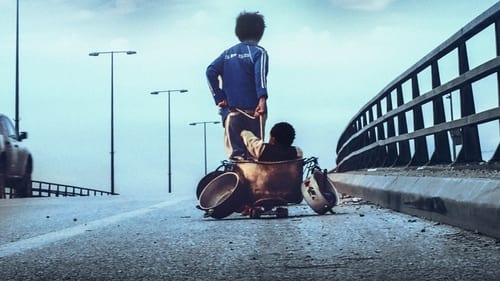




There's something that feels reminiscent of Dickens in how "Zain" (Zain Al-Rafeea) survives on the streets of modern Lebanon. He has to rely on his intelligence and charm, as well as his youth, to make a living after running away from his parents—they had given his beloved eleven-year-old sister into marriage! He finds some luck when he meets "Rahil" (Yordanos Shiferaw), who is also a refugee from Ethiopia and needs help caring for her baby “Yonas.” She offers him shelter and food, and he helps with childcare, but when she disappears, he must cope alone while trying to find her and keep the baby healthy. It’s hinted that local marketeer "Aspro" (Alaa Chouchnieh) might be able to assist, and he seems friendly enough—though it's clear he has his own agenda that probably won’t benefit these two children in the long run. Eventually, this man offers to find a good home for the baby and give “Zain” a chance to escape to Turkey or Sweden, if he can get his own papers sorted out. This requires him to return home, where he discovers something predictably awful has happened, which pushes him to leave, angry and armed with a kitchen knife. That brings us back to the beginning: we’re in court, and the boy is trying to sue his parents for having him. A speech from “The Mudlark” (1950) delivered by Alec Guinness really captures what happens when society and circumstance work together to harm vulnerable young people—a combination of indifference, lack of education and healthcare, and a general sense that society is overwhelmed and unable to help. This young man embodies all of that. As he moves through streets that aren’t actively hostile but also can't assist him, he demonstrates how resourcefulness and determination can go so far before desperation and frustration set in. The film isn’t dark or depressing; it’s lively, vibrant, and colorful. It is rich in cultural detail and, most importantly, avoids judgment. There are well-portrayed injustices all around, but they're the result of generations of societal failures caused by decades of war, corruption, and malnutrition—leaving many parents ill-equipped to handle the responsibilities for their numerous children, just as those children themselves are. Audiences in Western countries might be shocked by some practices, like adults marrying or sleeping with children, human trafficking, or jails overflowing with homeless people and petty criminals—but Nadine Labaki doesn’t lecture us. Instead, we're asked to consider what someone might do, or have done, in heartbreaking situations where options are limited. The young “Yonas” complements his older friend perfectly, and the film showcases a remarkable performance from Zain Al Rafeea, who is engaging and powerful. There's a scene near the end where a lawyer enters a room with a brown envelope and places it on a shelf already filled with hundreds, if not thousands of others—it’s very telling.
On September 22, 2026
#6286▲ 958
6286th by Pulse movie online43.7PULSEPulse MeterOur daily Pulse Meter measures public activity and popularity signals across the web.How it works →