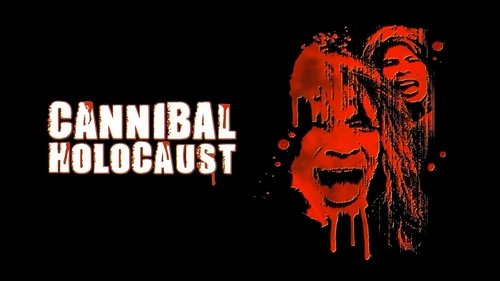





If there were no such places as hellholes, I’m convinced we'd have to invent them. This film comes close to what its lurid title suggests. It definitely aims for shocks as its primary source of horror, and many scenes are genuinely difficult to watch (I saw the uncut version, which includes animal cruelty, and it's easy to see why those parts are cut from most releases; however, criticizing them feels hypocritical if you consume meat – and I doubt everyone who has criticized this film is vegetarian or vegan—unless you believe slaughterhouses are somehow more humane, or that filming animal suffering makes a moral difference). Yet, there’s a deeper layer to the horror. The violence, cannibalism, and rape are disturbing, but the moments between those scenes are equally unsettling. It's strange to say, but this film reminded me of *The Searchers*, highlighting how so-called "primitive" peoples aren't fundamentally different from us; there’s nothing inherently superior about a civilized world, and savagery exists right next door. Of course, this is problematic in itself. The film has no interest in being sensitive, as the title implies. It raises questions like “Are we truly any better than violent, cannibalistic tribes?” rather than expressing compassion for those deemed "uncivilized." This criticism—that it’s exploitative while purporting to satirize exploration—is common. I understand this point, but it seems to rely on a deceptive use of language; an exploitation film might contain the word “exploitation,” but that doesn't mean the filmmakers are exploiting people. However, we shouldn't forget the mistreatment of the native actors in the film. They were treated little better by the real crew than by their onscreen counterparts. The behind-the-scenes behavior on this movie’s set was appalling—far worse than anything associated with *The Shining*, directed by Stanley Kubrick. The director, Ruggero Deodato, is an abusive person who mistreated women and native actors. Despite all of this, I remain fascinated by the film, even though I don't necessarily want to see it again. There’s a certain artistry at play. From Riz Ortolani's beautiful score that effectively contrasts the brutal horror scenes, to the raw documentary style which strips everything down to its most basic form, this film possesses an aesthetic rarely seen elsewhere; even now, "found footage" is as common in horror as “monster movies” or “slasher films,” and *Cannibal Holocaust*, along with *Blair Witch*, stands out. While the framing device may seem unusual today, it genuinely feels like we’re witnessing someone's final moments on film. The acting is uneven; sometimes it breaks the illusion, but conversely, many of the cast members appear genuinely uncomfortable, which eliminates the need for much acting. The film has been influential as well. You can see familiar tropes of the found footage genre, including a cast that are so awful you almost hope they get eaten by the end. The framing device is unconventional, but there’s a clear reason for its inclusion; without it, the film would be very different and likely wouldn't have generated so many reviews. While fans of “extreme cinema” remember the scenes from the in-film documentary "The Last Road to Hell," the outer frame story is part of what gives this film an independent cult following beyond those who simply seek out films with excessive gore. The most targeted criticism revolves around whether this film is truly a critique of colonialism and exploitation, or just pretending to be something more than a schlocky cannibal flick—whether it’s trying to make viewers feel less guilty for watching it, or more so. I don't believe there are simple answers. This is an unattractive film, and it knows it. The cruelty serves both as a means and an end. Overall, I can't wholeheartedly recommend *Cannibal Holocaust* because it’s incredibly difficult to watch, nor am I particularly glad it exists given what happened during its production. However, the world of cinema would lose something significant if this film were erased from history—for better or for worse. I intended to write brief reviews from memory today, but this one turned out much longer than expected. I hope I actually said something worthwhile rather than just rambling. It's unclear why this film prompted such an extensive review, but it’s a film that stays with you, and because of its nature, not many people are willing to see it, making it easier to express thoughts that haven't already been repeated countless times.
On September 25, 2026
#819▲ 6471
819th by Pulse movie online52.5PULSEPulse MeterOur daily Pulse Meter measures public activity and popularity signals across the web.How it works →














