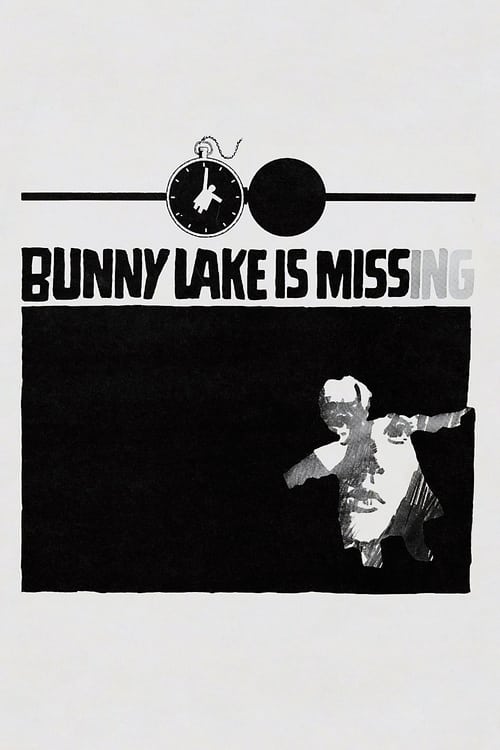





Bunny Lake is Missing comes from director Otto Preminger, with a screenplay by John & Penelope Mortimer based on Marryam Modell’s (also known as Evelyn Piper) novel. The cast includes Laurence Olivier, Carol Lynley, Keir Dullea, Martita Hunt and Noel Coward; Paul Glass composed the music, and Denys N. Coop was in charge of cinematography. Even the 1960s British band The Zombies appear. Ann Lake (Lynley) arrives at her daughter’s school to pick her up after the first day of classes, but staff members have no record of ever having seen the four-year-old girl. The film apparently frustrated Otto Preminger, who was never satisfied with the final result, despite changing the ending from the novel's version and moving the story from New York to London. However, over time, the movie has benefited from re-evaluations by critics interested in filmmakers’ styles, developing a dedicated following and earning it cult classic status as well as a reputation for being an overlooked gem of its kind. It seems Preminger intended to create something comparable to Hitchcock's work, given the thematic connections with Psycho. The film's promotion certainly suggested this comparison, although it was obvious that Bunny Lake is Missing didn’t quite reach Psycho’s level of recognition. Nevertheless, it’s a very good movie, skillfully assembled by Preminger; the film maintains attention and intrigue from Saul Bass’ distinctive opening credits to the unsettling conclusion. Here we go round the mulberry bush, The mulberry bush, The mulberry bush. Here we go round the mulberry bush on a cold and frosty morning. Using authentic London locations and Coop's crisp black-and-white (shadowy) photography enhances the film’s disturbing atmosphere. The mystery is compelling, and this, combined with the strained, almost unhealthy relationship between Ann and her brother Stephen (Dullea), creates an unsettling experience. Then there’s Noel Coward as Horatio Wilson, a truly creepy landlord—his screen time may be limited, but his impact is chilling. The narrative includes sequences that filmmakers like Hitchcock, Welles, and Kubrick would have been proud of, where Preminger draws on his film noir expertise to create dreamlike scenes in a doll shop and follow the actors through a children’s playground. All of this is complemented by Olivier's superb performance as Superintendent Newhouse, a calm and psychologically astute man who provides a striking contrast to the hysteria and near-madness that surrounds him. Is it Hitchcockian, as some critics have suggested? Yes, but not in an obvious way; it shares more similarities with lesser-known British thrillers like Don't Talk to Strange Men (1962) and Taste of Fear (1961) in terms of tone and narrative drive. It’s not perfect—Dullea is overly theatrical, some characters react strangely to events, and Paul Glass’ score occasionally clashes with the mood it accompanies. But these are minor issues when considering the film as a whole. 8.5/10
On September 28, 2026
#11994▼ 604
11994th by Pulse movie online32.6PULSEPulse MeterOur daily Pulse Meter measures public activity and popularity signals across the web.How it works →