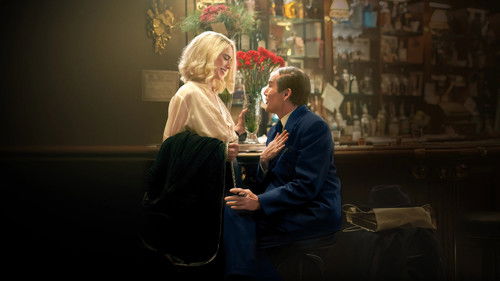





Lyricist Lorenz “Larry” Hart (1895-1943) might not be familiar to everyone, but his extensive collection of songs written with composer Richard Rodgers (1902-1979)—a significant group of classic American tunes—includes well-loved favorites like "The Lady is a Tramp,” “Bewitched, Bothered and Bewildered,” “My Funny Valentine,” “Isn’t It Romantic?” and their most famous song, “Blue Moon.” Despite Hart’s artistic achievements, he experienced a difficult professional life alongside a solitary and generally unhappy personal existence. A telling example of this occurred on March 31, 1943: opening night for the musical *Oklahoma!*, a hugely successful collaboration between Rodgers and his new lyricist partner, Oscar Hammerstein II (1895-1960). Rodgers joined forces with his new colleague after Hart’s struggles with alcoholism made it impossible to continue working together. This change was particularly upsetting for Hart, especially when the new team's musical received overwhelmingly positive reviews, which he witnessed firsthand at a celebratory party held at New York’s Sardi’s restaurant. These events form the basis of director Richard Linklater’s newest film, an imagining of that evening’s tense atmosphere in which a distressed and often-unstable Hart (Ethan Hawke) is overwhelmed by professional setbacks, including emotionally charged conversations with Rodgers (Andrew Scott) and a friendly but largely unaware Hammerstein (Simon Delaney). Adding to his troubles, Hart also faces personal disappointments as he tries to win the affection of 20-year-old Yale student Elizabeth Weiland (Margaret Qualley), a platonic friend whom the 47-year-old hopes will reciprocate his earnest (though perhaps overbearing) romantic interest. Production notes indicate it’s unclear if Larry and Elizabeth actually met at this event, but the script explores what might have happened had they done so. Even if they did meet, winning her over would likely have been difficult for a “bachelor” widely believed to be gay—a well-kept secret within New York society. Throughout these difficulties, Hart struggles to maintain his composure with frequent drinks, sharing his feelings with his friend and Sardi’s bartender Eddie (Bobby Cannavale), writer and fellow restaurant patron E.B. "Andy" White (Patrick Kennedy), and barroom pianist Morty Rifkin (Jonah Lees). The film's story unfolds through conversations among this group of characters, covering a wide range of topics with a mix of moods—from humorous to heartfelt to awkward. What truly elevates the material is the depth of feeling displayed by the cast, particularly Hawke, who delivers what many consider his finest performance, along with strong performances from Qualley, Cannavale and Scott. Despite being primarily filmed on one set, the detailed production design, recreating the famous New York nightclub, keeps the film visually interesting without feeling theatrical. As expected in a movie about music, there's an excellent selection of songs featuring Jerome Kern, George Gershwin, Irving Berlin, and Rodgers & Hart. Some viewers might find the narrative somewhat repetitive or even draining as it progresses, which is a fair criticism. Others have raised concerns regarding some of the film’s frank discussions about homosexuality, a topic that would likely have been avoided in 1943 when same-sex acts were still illegal. Nevertheless, “Blue Moon” remains an engaging story—a tragedy set against a distinctly American backdrop. It's deeply unfortunate that someone who contributed so much also had to experience so much suffering, even if some of it was self-inflicted. Under these circumstances, it’s not surprising that the moon in such a sad situation would appear any color but blue.
On September 24, 2026
#1478▲ 30
1478th by Pulse movie online53.1PULSEPulse MeterOur daily Pulse Meter measures public activity and popularity signals across the web.How it works →














