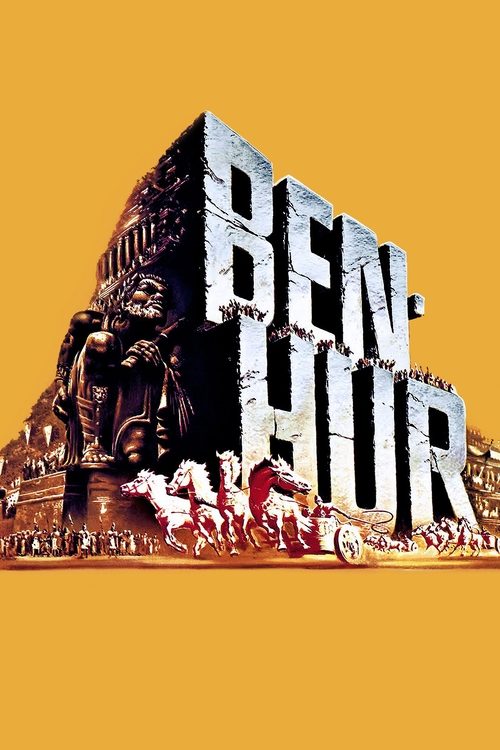




The film might be recalled primarily for its chariot race even as other aspects become less prominent over time, yet it offers much more than that singular sequence. It explores themes of companionship, faith, authority, and the chances life presents—along with displays of stubbornness and brutality. The story’s impact is heightened because these are all qualities present within humanity to varying degrees. Visually, the film is stunning, and Miklós Rósza provides a remarkable score that perfectly captures the imposing nature of the Roman Empire in its full Tiberian glory. However, the narrative itself isn't as compelling. Charlton Heston and Stephen Boyd effectively portray how affection can evolve into animosity when they share the screen; otherwise, their performances don’t extend far beyond what is written. Jack Hawkins puts effort into his role as the Consul, but ultimately falls short of making a significant impression. Hugh Griffith shines as the sly and greedy Sheik Ilderim, and Sam Jaffe makes a worthwhile contribution to the ensemble cast. The film's length proves excessive; following the chariot race, it shifts too much toward the "tale of the Christ" mentioned by author General Lew Wallace in his opening remarks, and for me, loses its direction. The naval battle sequences are impressive, and the lavish costumes, cinematography, and sound design all warrant recognition with awards. It’s a very good epic film, but doesn't quite reach greatness.
On September 25, 2026
#517▼ 174
517th by Pulse movie online53.5PULSEPulse MeterOur daily Pulse Meter measures public activity and popularity signals across the web.How it works →