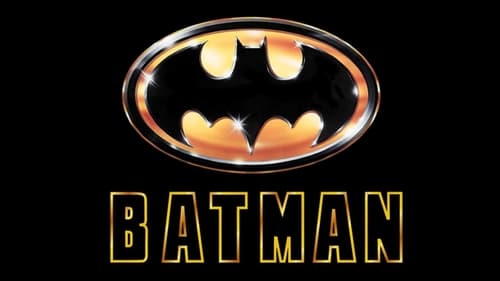



The arrival of *Batman* in 1989 had a significant impact, dominating theaters and changing how comic book films were made by presenting complex characters and serious situations unlike anything seen before in the superhero movie landscape. Prior to this film, superhero movies from the seventies and eighties tended to be cheerful, lighthearted, and focused on ideals like justice and patriotism. Films such as *Superman*, *Supergirl*, the initial *Captain America* film, and even Adam West’s *Batman* embodied that style—often silly but still enjoyable. Consequently, Tim Burton's darker and more intense take on Batman was a considerable risk. Warner Bros invested all of their resources into the project during a time when the studio itself faced financial struggles. A superhero movie featuring murder and bloodshed? Casting Michael Keaton, known for comedies, as Batman? It represented a huge gamble that ultimately paid off handsomely. Warner Bros recovered financially thanks to the film’s substantial earnings, and *Batman* redefined the genre by demonstrating that adults could appreciate superhero stories. While it might seem a bit old-fashioned and occasionally silly today, it challenged conventions when it was first released. Michael Keaton established himself as an exceptional performer and someone audiences would pay to see. Jack Nicholson's portrayal of the Joker became the defining image for villains for many years. Kim Basinger’s Vicki Vale remains one of the strongest romantic interests in Batman films. Tim Burton revitalized both superheroes and movie studios with this dark reimagining of comic book stories; it is a genuine superhero classic.

On September 22, 2026
#645▼ 261
645th by Pulse movie online54.9PULSEPulse MeterOur daily Pulse Meter measures public activity and popularity signals across the web.How it works →