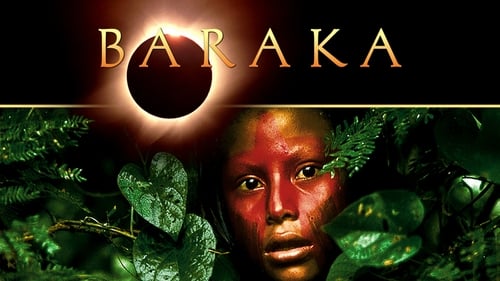





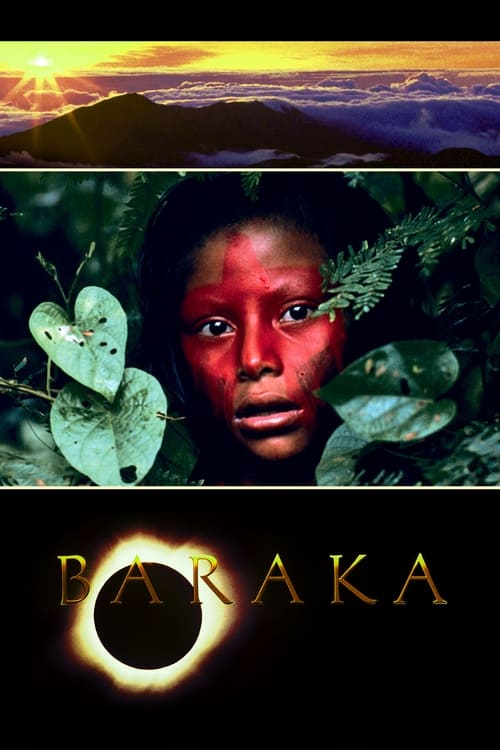
BARAKA, filmed by Ron Fricke in twenty-four countries, presents itself as a documentary exploring three widespread themes: the beauty of nature—from Mount Everest’s peaks to arid landscapes—the shared aspects of humanity through comparisons between disparate cultures, and an innate desire for connection with something beyond our everyday lives. Shot using 70mm film, experiencing it on Blu-ray via projector or large screen delivers a remarkably impressive visual experience. The film avoids dialogue or narration; there are no characters, but the extensive footage is assembled into a sequence that creates a compelling dramatic flow, and repeated viewings suggest this editing style seems like the most sensible approach to presenting such material. Driven by an intense anthropological interest, Fricke highlights commonalities among people. For instance, tattoos seen on a Japanese gangster appear alongside similar markings on someone from Papua New Guinea. This isn’t limited to exotic traditions; affluent schoolgirls in Japan are shown in a shot mirrored later by girls of lower social standing in Calcutta. However, it's not intended as a sentimental plea for acceptance; Fricke's editing does make a convincing argument for appreciating differences, although there is subtlety involved. Fricke’s occasional inclusion of footage from churches, mosques, and temples isn't necessarily an endorsement of religious belief but rather an extension of the shared traits he identifies. People have a need to contemplate as a refuge from a complex and sometimes senseless world, and they draw on internal reserves of kindness to counter the cruelty people inflict upon each other. The potential fallout from a world lacking tranquility and compassion is portrayed in a distressing series of scenes depicting locations like Auschwitz and the Cambodian killing fields, alongside images of homelessness worldwide and teenage prostitution in Bangkok. The film’s visuals are accompanied by various musical pieces that help establish the atmosphere for each section: minimalist patterns provide the soundtrack to industrial settings, harsh bagpipes underscore footage of Kuwait's burning oil fields, and Dead Can Dance’s “The Host of Seraphim” plays during a portrayal of global poverty. Some of the musicians involved lean toward New Age styles—music I wouldn't normally listen to—but within the film they work exceptionally well. The 5.1 surround sound effectively blends cinematic impact with fidelity to what is shown on screen. I’ve watched BARAKA numerous times, each viewing revealing new details and consistently evoking emotion, whether it be pity for Calcutta garbage collectors or awe at the shimmering splendor of Shiraz's Shahcheragh mausoleum. It easily ranks among my favorite films. Whether you will enjoy it is difficult to predict; I often use it as a demonstration piece when friends and family want to experience my home theater setup with an HD projector and surround sound, and while some have been just as impressed as I am, others remain indifferent. Apparently, even people with extensive educations sometimes lack interest in things beyond their immediate surroundings, so Fricke’s survey of world cultures may not connect with everyone. (Note that Ron Fricke created a 2011 follow-up called SAMSARA, but it's best to avoid it; it lacks focus and essentially repeats BARAKA in a less effective way.)
On September 22, 2026
#7089▲ 1046
7089th by Pulse movie online42.2PULSEPulse MeterOur daily Pulse Meter measures public activity and popularity signals across the web.How it works →