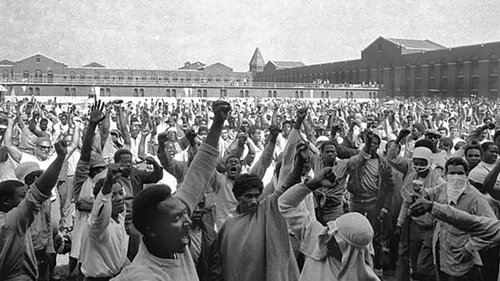





This documentary recounts the uprising at New York’s maximum security prison, using old news footage alongside interviews conducted today. Stanley Nelson tries to explain how and why this happened, and what resulted in a resolution that stunned the country. It’s apparent there was significant friction between the prisoners and their guards. A harmful atmosphere of racism, prejudice, and intimidation existed within conditions of extreme poverty and, as most people agreed, inhumane living and working environments. The film focuses on efforts to reach an agreement involving improvements, pardons, and the release of 39 hostages. While it includes perspectives from some former inmates, there are no contributions from anyone representing the authorities, which is disappointing because the story feels unbalanced. Viewers are prompted to feel sympathy, even outrage, regarding these terrible living conditions without much understanding of why so many individuals serving sentences totaling 25 years were incarcerated. It’s unclear what their own views were on treating others with respect when they committed crimes that led to their imprisonment. Most participants are African American, and explanations about their backgrounds and circumstances are offered, but I felt these seemed more intended to reassure the broader population of the state that it could confidently support a harsher response instead of seriously pursuing a peaceful outcome. That’s what I believe was lacking. There's no attempt to show both sides of the situation—the difficult choices faced by prison officials nationwide—particularly on day 4 when one guard died in the hospital from his injuries. The film does include statements from his family and others, which powerfully underscores that money can never replace a lost loved one, ultimately confirming my belief that prisons are about control rather than rehabilitation. It’s overly lengthy; it could have been shortened because the points being made, along with the factual details of what occurred, were repetitive and leaned heavily on biased assumptions. We all already knew that being Black in America in 1971 meant facing persecution, humiliation, and hatred, didn't we?
On September 24, 2026
#112063▼ 387
112063rd by Pulse movie online2.7PULSEPulse MeterOur daily Pulse Meter measures public activity and popularity signals across the web.How it works →