



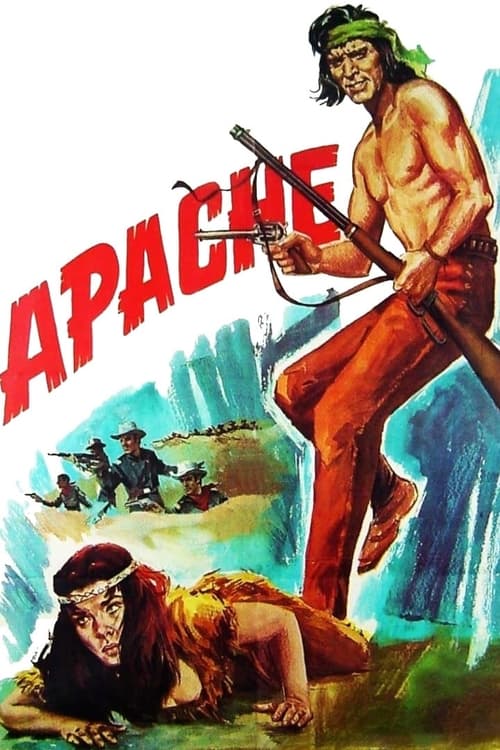
Robert Aldrich directed Apache, with a screenplay by James R. Webb based on Paul Wellman’s novel "Broncho Apache." The film stars Burt Lancaster, Jean Peters, John McIntire, John Dehner, Charles Bronson and Paul Guilfoyle; David Raksin composed the music and Ernest Laszlo was in charge of cinematography. "This is the story of Massai, the last Apache warrior. It has been told repeatedly until it became one of the Southwest's great legends. The narrative began in 1886 with Geronimo’s surrender." Apache isn’t without its flaws; there are issues from casting actors who appear too American for the Native American roles to a shift toward a romance and a studio-influenced ending that felt compromised, creating a mixed experience overall. However, if you can look past these shortcomings, there's still much to appreciate. “You’re not a warrior anymore; you’re just a whipped Injun.” The film follows in the footsteps of Broken Arrow and Devil’s Doorway, which marked a change in how Native Americans were portrayed on screen. The story of Massai (Lancaster) is compelling, even if the movie doesn't fully realize its potential. It portrays him as a reserved and complex individual, fiercely determined in a last man standing situation, while Lancaster and Aldrich skillfully convey his confusion with a world he no longer understands or wants to be part of. One scene shows Massai walking through town observing the unfamiliar white society at work, including Chinese people running a laundry; it's an intelligent piece of writing that demonstrates the story’s depth. “You are like a dying wolf biting at its own wounds.” Fortunately, the film doesn’t overly idealize Massai, as we see his capabilities and he displays his warrior skills throughout the narrative. There is even a scene involving rough treatment of Nalinle (Peters) that is uncomfortable to watch but important for understanding Massai's emotional state and how their relationship develops. The trouble begins when Massai and Nalinle "fall" for each other, as the film loses some of its impact; while Aldrich adds more action sequences, the grit, intelligence, and narrative drive diminish. This ultimately leads to the ending, which was originally intended to be bleak and dark, similar to Devil’s Doorway. Instead, we get something that feels somewhat sentimental and isn't as profound as the studio likely believed it would be. The casting of Lancaster and Peters gives the film a sense of physical strength and beauty, especially in Lancaster's case, who actively sought out this role to advance his acting career (he also co-produced it with Harold Hecht). It takes some getting used to, but they offer believable characterizations even if they don’t entirely convince as Native Americans. McIntire and Dehner provide solid supporting performances, though Bronson (billed here as Buchinsky) is shortchanged by a screenplay that doesn't do justice to a promising character. Raksin's score combines traditional Native American musical elements with a love theme reminiscent of Alex North's score for Spartacus six years earlier. Laszlo’s Technicolor cinematography is excellent, and the landscapes—shot in various locations, primarily in California—become an integral part of the story. There are certainly problems here, and it’s truthfully the weakest Western made by the Aldrich/Lancaster team, but it has good qualities; it was a financial success and the story itself is worth telling. 7/10
On September 22, 2026
#24859▲ 2809
24859th by Pulse movie online20.1PULSEPulse MeterOur daily Pulse Meter measures public activity and popularity signals across the web.How it works →