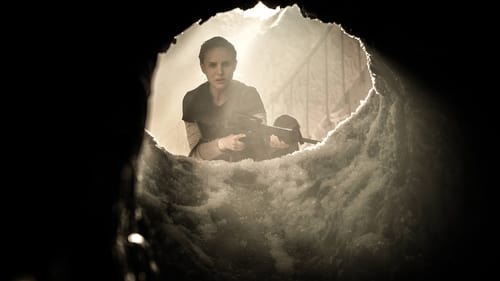





Alex Garland is brilliant, and I usually love everything he does. However, I’m not entirely convinced about this film. There are many aspects that I really enjoyed. For example: - Looking back, the influences of **'Stalker'**, **'Contact'**, **'Arrival'**, **'The Fly'**, and **'Alien'** are noticeable, though in a subtle way. - The cast is predominantly female – and the film doesn’t make a big deal out of it -- which I thought was great. There are no silly jokes about their periods syncing up, nor any unrealistic portrayals of “feminine intuition” saving the day. I think **'Annihilation'** could be 2018’s alternative to **'Ghostbusters'**. - The dreamlike atmosphere created through alien landscapes, flashbacks, and a detached, investigative approach is refreshing. At times, it feels like watching a time travel movie. - **'Annihilation'** unfolds deliberately and thoughtfully, allowing you to feel intelligent as you piece things together. It even withholds information entirely. - Most of the performances are excellent, except for Jennifer Jason Leigh, who delivered every line in a monotone, contemplative style, like she was having a sleepy late-night conversation. Oscar Isaac seemed more subdued than his usual Poe Dameron self, but he and Natalie Portman had surprisingly good chemistry together at times. - It starts slowly, but the pace is generally decent, and I appreciated that the filmmakers added action elements to what could have easily become an overly intellectual experience. - **'Annihilation'** isn’t superficial or mindless like much of modern science fiction, and it leaves you with a lot to consider regarding loss, regret, and humanity’s tendency toward self-destruction. However, despite these positives, several issues threatened to diminish my enjoyment (spoiler alert): - The film occasionally resorted to predictable science fiction tropes, which undermined its originality. For instance, when Sheppard began her lengthy speech about losing her daughter and the losses she experienced that day, you just knew it was only a matter of time before she fell off a cliff or got strangled by an alien plant. - It’s highly unlikely that scientists would describe something like this as a "religious event." - The chain of command on the mission seemed questionable. In a military operation, Ventress's authority should have been final, but Lena started making decisions and everyone readily agreed with her. - Similarly, most of the team quickly turned against Lena for withholding information, which didn’t seem justified given the growing sense of paranoia. - The film relies on jump scares, which feel cheap even when they involve a giant alligator. - The music shifts jarringly between indie guitar and loud **'Inception'**-style orchestral booms, neither of which enhances the film. - There are scientific inaccuracies for what appears to be a hard science fiction story. - The explanation involving "refracted DNA" is unscientific; the term itself lacks meaning, and human cells typically self-destruct when their DNA is manipulated. - A tattoo can’t alter your DNA, so it's illogical that refracted DNA could explain how Anya’s Ouroboros tattoo appeared on Lena’s arm. - Red blood cells don’t contain DNA or divide, making Lena’s field tests meaningless. - It’s also hard to believe that an alien effect could allow a bear creature to mimic human language simply by consuming a person. I'm willing to suspend disbelief to some extent, but this is just absurd (and it seems to borrow from **'The Ruins'**, too). - The psychedelic, wordless climax felt drawn out and overly stylized, like a **'Cirque du Soleil'** performance. It was vague and open-ended, giving the impression of pretending to be profound rather than actually being so. - I’m concerned that this film doesn’t have as much substance as it seems. Lena’s description of the alien's possible intentions ("I'm not sure it wanted anything") isn't a particularly compelling conclusion. Wouldn't it be more accurate to describe it as a unique genetic process rather than an entity? - As Ventress says, "Almost none of us commit suicide." "Almost all of us self-destruct.” Perhaps that’s what this film is ultimately about, and I was too captivated by the atmosphere and the strange trees to notice. The film makes you feel intelligent, but only until you realize you need a study guide to understand it. I admit I didn't fully grasp everything after faux-Ventress started vomiting glowing embers into the air. That’s acceptable if poetic ambiguity is the point, but frankly, it isn’t entirely satisfying. The film leaves many questions unanswered: - While I understand that those lost to the Shimmer were destroyed by what they brought with them—whether it's self-destructive behavior or a surrender to nothingness (and those seedlings sprouting from Josie’s scars were an impressive image)—I don’t understand why Lena and Kane survive. They both had flaws, and Kane was grieving a betrayal when he entered the Shimmer. They seemed like ideal candidates for this accelerated genetic mirroring to tear them apart. - Is there any real evidence that these people truly overcame their self-destructive tendencies? Lena only seemed to realize she was harming herself through the alien proxy when she was being choked, but that felt like a subtle hint of what should have been a profound realization. - If we are left with copies of Lena and Kane, has humanity’s inherent tendency toward self-destruction been removed from their DNA? Was that the entire point? Are violence, despair, and self-loathing even genetic traits? - And most importantly, will Lena and Kane's children be born with Ouroboros tattoos?
On September 24, 2026
#548▲ 5
548th by Pulse movie online55.1PULSEPulse MeterOur daily Pulse Meter measures public activity and popularity signals across the web.How it works →














