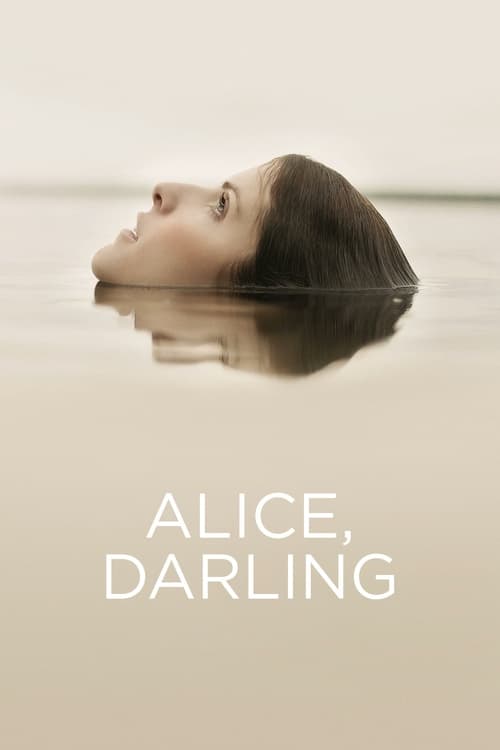





Having witnessed a close friend endure an emotionally abusive relationship, “Alice, Darling” resonated deeply. It's a story—written by Alanna Francis—that realistically portrays the experience of watching from afar and what I can only imagine it feels like to be living through it silently. The film isn’t easy to watch, but that’s not where its shortcomings lie. While the themes are undeniably crucial, director Mary Nighy opted for a style that felt akin to an Afterschool Special, with obvious messaging. This is what ultimately undermines the movie. Alice (Anna Kendrick) believes she's found her ideal partner in Simon (Charlie Carrick). He’s attractive, accomplished, and charming, appearing to be a genuinely good boyfriend. When she agrees to reconnect with her two closest friends, Sophie (Wunmi Mosaku) and Tess (Kaniehtiio Horn), for a getaway at a secluded lake cottage, they begin to notice something isn't quite right. He’s constantly checking in on her, frequently texting, and causing their friend to become anxious and withdrawn. After Alice admits she had to deceive Simon, telling him she was traveling for business instead of taking a short vacation, Tess and Sophie press her further. The truth is revealed as they discover that their best friend is caught in an emotionally and psychologically damaging relationship. Stories like this, exploring such intimate subjects, highlight issues particularly relevant to women. Many of us know friends or family members who have gone through something similar, and it’s significant that a good number of viewers will connect with the film on a personal level. It's simple to judge when you aren’t personally involved, and the movie serves as an urgent reminder for those experiencing abuse to seek help, and also for those around them to be watchful and recognize the warning signs that are often overlooked. The film shines brightest when Nighy concentrates on the female friendships and characters; Kendrick, Mosaku, and Horn share a natural chemistry that makes their performances feel genuine. Kendrick’s portrayal is especially heartbreaking, showcasing an impressive dramatic range as she embodies a woman consumed by anxiety and feeling trapped. The actors do commendable work with this story of friendship and abuse, though the material presents challenges in adapting it from page to screen. The film's slow pacing feels unnecessary, as does the repeated imagery of Alice pulling at her hair—one or two instances would have been enough to convey the point, but Nighy continues the pattern. There’s also a distasteful subplot involving a missing girl who is presumed dead. This storyline functions as an unsubtle metaphor that's tasteless and jarring, suggesting that if Alice doesn’t leave Simon, she too might end up murdered in the woods. I found this element of the story so intensely unpleasant that it overshadowed everything else. The conclusion also feels overly sentimental. “Alice, Darling” addresses a vital topic about how self-doubt can hinder one's ability to find the strength to break free, move on, and embrace change. It’s unfortunate that its messaging isn’t more nuanced—or effective.
On September 26, 2026
#10950
10950th by Pulse movie online26.6PULSEPulse MeterOur daily Pulse Meter measures public activity and popularity signals across the web.How it works →