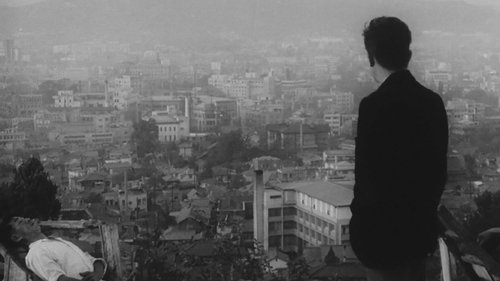




Yoo Hyun-mok's work really impressed me with how he combines elements of Italian Neorealism and a uniquely Korean feeling of being unable to act or make decisions, resulting in a depiction of hopelessness after the war that remains unsettlingly relevant. The film’s tight spaces, scenes shot with a handheld camera on city streets, and abrupt editing all put you right inside the same kind of mental confinement that its characters experience. Instead of showing big, obvious breakdowns, Obaltan illustrates a gradual decline—people's lives being steadily diminished by financial burdens, past hurts, and a system attempting to recover from profound moral damage. The film’s darkness isn't just for show; it serves as an explanation, like examining the remains of a society trying to progress while still suffering deep wounds. I find it particularly interesting how the combination of a documentary-like feel and expressionistic tension makes even small glimmers of optimism seem out of place, nearly wrong.
On September 22, 2026
#156413▲ 37142
156413th by Pulse movie online0.8PULSEPulse MeterOur daily Pulse Meter measures public activity and popularity signals across the web.How it works →