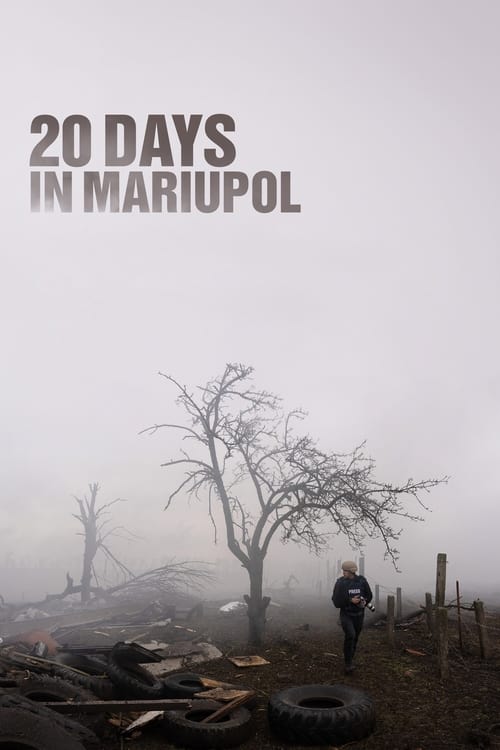





“20 Days in Mariupol” ranks among the most distressing films I've ever experienced; it’s also vitally important. This remarkable documentary provides a chilling eyewitness account of Russia’s invasion of Ukraine and documents actual war crimes. Mariupol’s strategic location made it a key area during the conflict. Before Russia launched its invasion, Ukranian filmmaker and journalist Mstyslav Chernov and his colleagues entered the port city to report on the situation. When explosions began nearby, the team unexpectedly found themselves trapped in a dangerous combat zone after the siege started. The trio hid in hospitals to record footage and share it with the world, spending 20 days documenting what was happening to the country and its people. This documentary is an extraordinary accomplishment in journalism, as it challenges Putin’s extensive propaganda campaign and reveals the brutal reality of the situation. His camera captures the truth—that civilians were being targeted—and exposes Russia’s falsehoods. (Following the broadcast of some of Chernov’s footage on international news channels, Putin claimed it was fabricated “fake news,” which is deeply frustrating). A caution: once you watch this film, things will never be quite the same. There are images shown here that could stay with you forever. The scenes of casualties and destruction are heartbreaking, upsetting, and intensely traumatic. Chernov doesn’t shy away from the most horrific events he encounters, including graphic footage of violent deaths (of both people and animals) and brutal wartime violence. Viewers will see close-ups of the bodies of infants, pregnant women, children, and adults; overcrowded morgues; mass graves; desperation; and complete despair. It’s difficult to watch, but it's also a critical step in understanding the horrors and true cost of war. Chernov narrates the film with a suitably somber tone, offering a firsthand perspective on what it was like during the early days of the conflict. His interviews with Ukranians are deeply moving, conveying the emotional toll that wartime takes. This first-person view brings audiences inside hospitals and emergency rooms alongside doctors, nurses, and patients needing urgent medical care. He goes underground with residents into makeshift basement shelters, spending time with people experiencing this horror in real time. As Ukrainians begin living without heat, electricity, internet, or phones, and as hospitals start to run out of essential medicine, Chernov captures a sense of isolation as Mariupol’s residents are cut off from communication and vital assistance. Some viewers may find the most controversial scenes distasteful, but they are also among the most important to see. On several occasions, Chernov keeps his camera focused on grieving parents and their deceased children, even filming attempts at resuscitation by medical staff. These scenes are bloody, graphic, tragic, and deeply distressing, but they also help foster a deeper understanding of the pain and suffering that Ukrainians are enduring. Despite being incredibly difficult to watch, “20 Days in Mariupol” is an invaluable film. It not only provides an astonishing record of events and serves as a snapshot in time of Russia’s invasion of Ukraine, it helps us better understand how traumatic experiences affect other people. This documentary represents a powerful achievement in wartime reporting.
On October 4, 2026
#9394
9394th by Pulse movie online3.4PULSEPulse MeterOur daily Pulse Meter measures public activity and popularity signals across the web.How it works →














